
The attic represents one of the most underutilized spaces in modern homes, often relegated to a chaotic dumping ground for forgotten belongings and seasonal items. However, with thoughtful planning and strategic organization, this overlooked area can become a functional, beautiful extension of your living space. Professional interior designers recognize that effective attic organization goes far beyond simple storage—it’s about creating systematic solutions that maximize every square foot while maintaining accessibility and aesthetic appeal.

The key to successful attic organization lies in understanding the unique challenges these spaces present: sloped ceilings, limited natural light, temperature fluctuations, and awkward angles that require creative storage solutions. Whether you’re dealing with a cramped crawl space or a spacious walk-up attic, the right organizational approach can transform this area into a highly functional zone that serves your family’s specific needs. From seasonal storage systems to specialized workshops, meditation retreats to guest accommodations, the possibilities for attic transformation are limitless when you apply proven design principles and innovative storage techniques.
Modern attic organization embraces both form and function, incorporating climate control considerations, proper lighting solutions, and durable materials that withstand the unique environmental conditions of these spaces. The following twenty design concepts showcase diverse approaches to attic organization, each tailored to different lifestyles, storage needs, and aesthetic preferences, demonstrating how thoughtful design can turn your attic into a valuable asset for your home.

1. Built-In Shelving Paradise with Natural Light Integration

Picture an attic transformation where custom built-in shelving units seamlessly follow the natural slope of the roof, creating a harmonious integration between architecture and storage. Cedar planks warm the floor underfoot while exposed wooden beams serve as natural room dividers, creating distinct zones for different categories of belongings. The centerpiece of this design is a charming dormer window that floods the space with natural light, making the systematic arrangement of labeled storage bins feel more like a boutique retail experience than traditional attic storage.
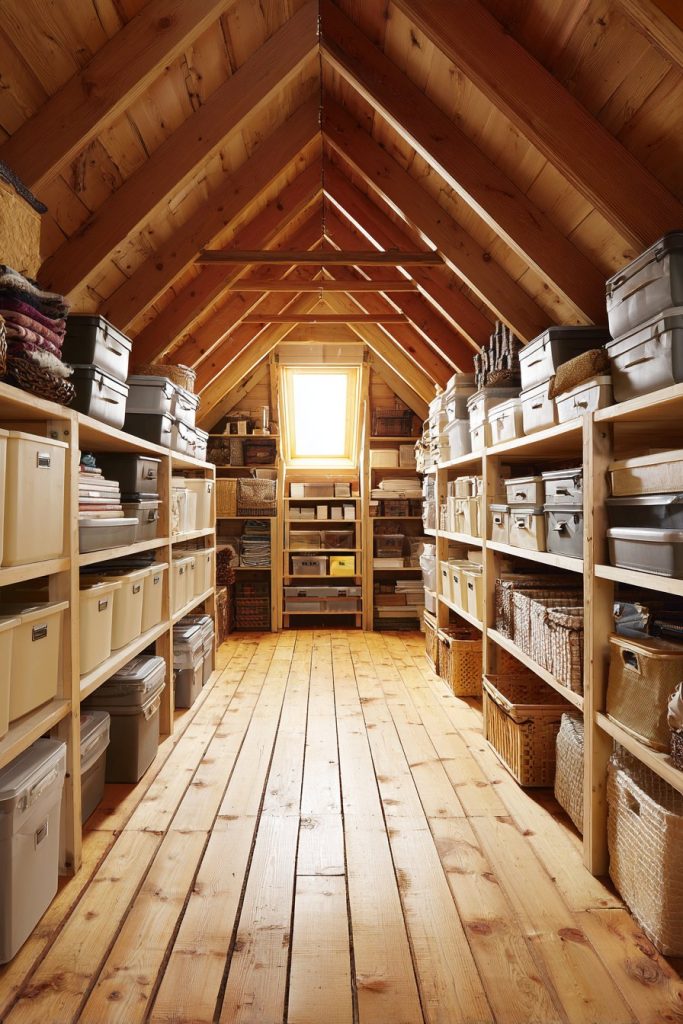
The neutral color palette of the storage containers creates visual cohesion while allowing the natural wood elements to shine. Each bin is strategically positioned for optimal accessibility, with frequently used items placed at eye level and seasonal storage elevated to higher shelves. The wide-angle perspective reveals how professional lighting design complements the natural illumination, ensuring every corner of the space remains functional throughout the day.

The transformation from cluttered chaos to organized serenity demonstrates the power of systematic planning. Built-in solutions maximize every inch of available space while custom labels ensure family members can easily locate and return items to their designated homes. The cedar flooring not only provides natural moth and moisture resistance but also adds warmth and character to what could otherwise feel like a sterile storage area.

Key Design Tips:
- Install custom shelving that follows your roof’s natural slope to maximize storage capacity
- Choose cedar materials for natural pest resistance and pleasant aroma
- Position frequently used items between waist and eye level for easy access
- Invest in uniform, labeled storage containers for visual consistency and easy identification
- Incorporate dormer windows or skylights to reduce dependence on artificial lighting
2. Central Workspace with Systematic Category Organization
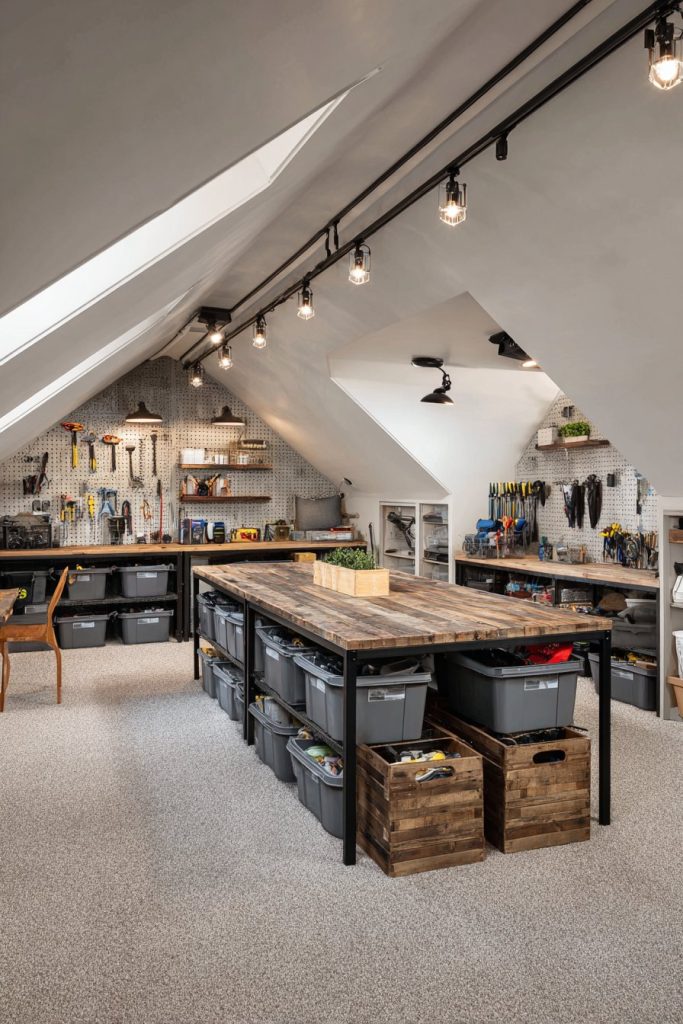
The heart of this attic organization system revolves around a substantial central sorting table crafted from reclaimed wood, creating both a functional workspace and an attractive focal point. Wall-mounted pegboards transform vertical surfaces into efficient tool and equipment displays, while overhead track lighting ensures consistent visibility throughout the entire space. This design emphasizes the importance of creating clear pathways between different storage areas, making navigation intuitive and safe.

Professional interior photography captures how this systematic approach to attic organization prioritizes accessibility alongside aesthetics. The reclaimed wood table serves multiple purposes: a surface for sorting and organizing belongings, a workspace for seasonal decorating projects, and a central command station for managing household storage needs. The track lighting system provides focused illumination that can be adjusted for different tasks, from detailed sorting work to general navigation.
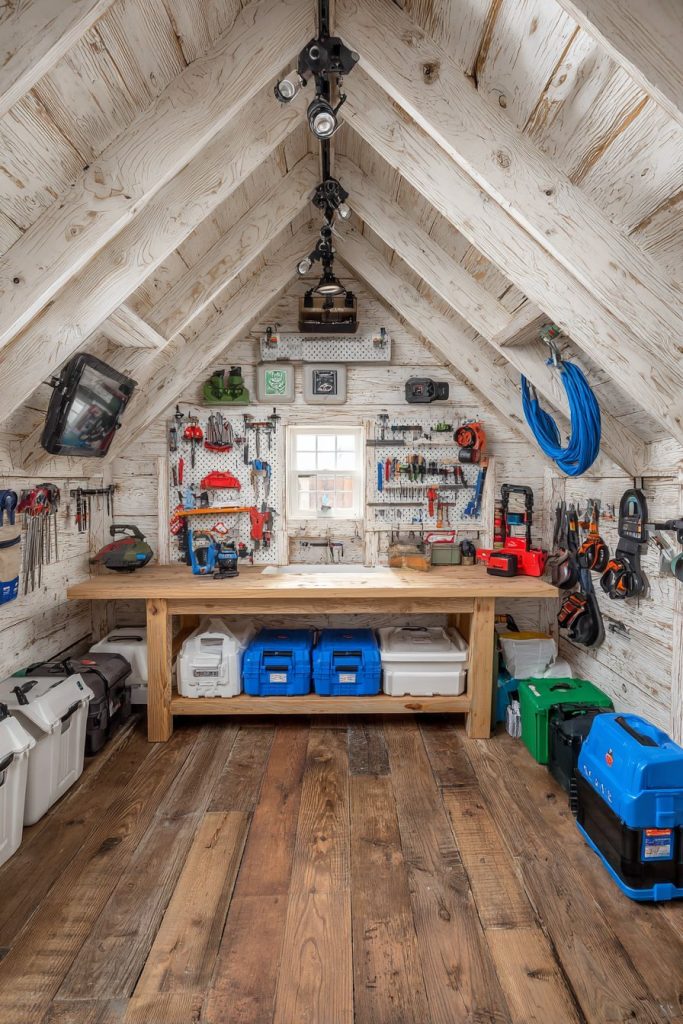
The strategic placement of storage containers by category creates a logical flow that makes sense to all family members. This approach reduces the time spent searching for items and increases the likelihood that things will be returned to their proper places. The combination of open display storage on pegboards and concealed container storage creates visual interest while maintaining functionality.

Key Design Tips:
- Create a central workspace with a sturdy table for sorting and organizing activities
- Install track lighting for adjustable, task-appropriate illumination
- Use pegboards to maximize vertical storage and keep frequently used tools visible
- Organize storage containers by category rather than by family member for efficiency
- Maintain clear pathways with a minimum 36-inch width for safe navigation
3. Seasonal Rotation System with Display Storage

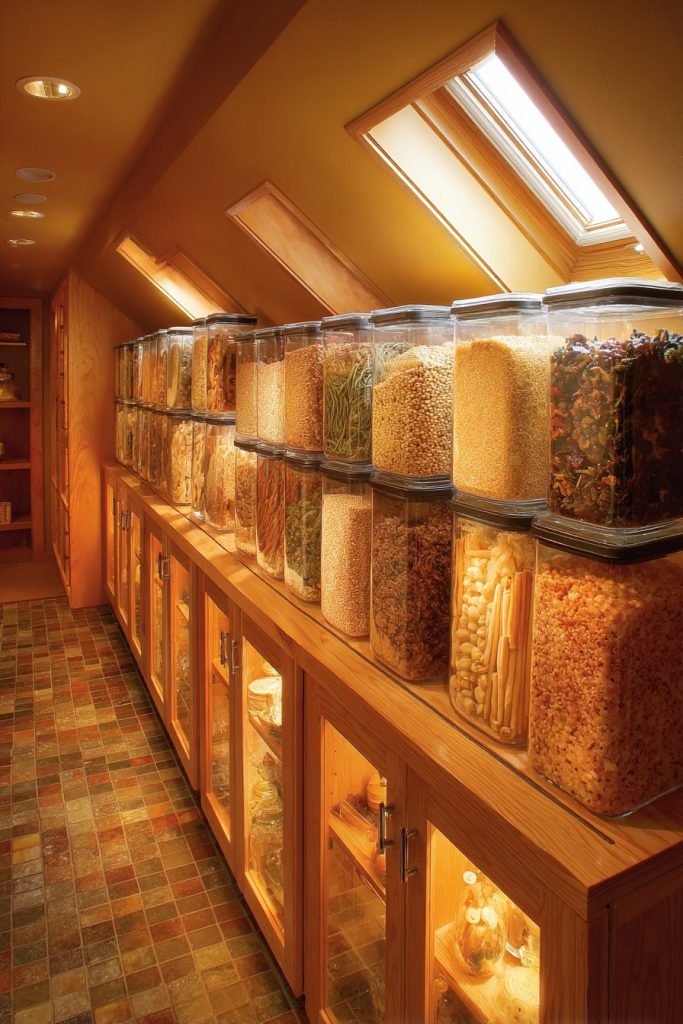
This sophisticated approach to attic organization centers around rotating storage systems specifically designed for seasonal and holiday decorations. Built-in cabinets with glass fronts allow for attractive display of organized collections while providing essential dust protection for delicate items. The practical interlocking tile flooring withstands the traffic and potential moisture issues common in attic environments while maintaining an attractive appearance.
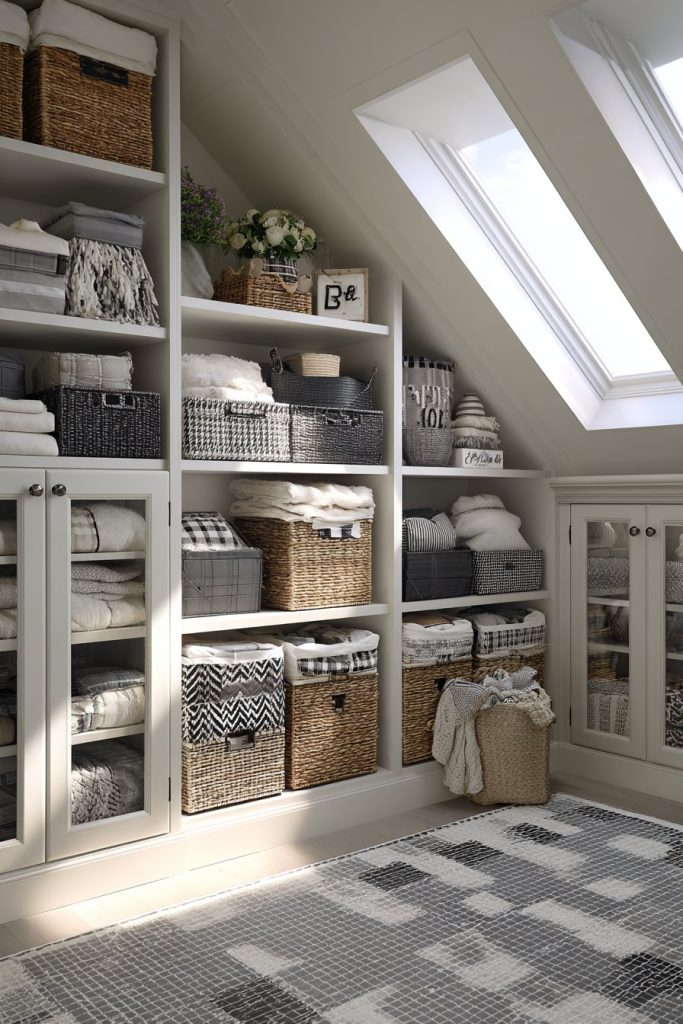
Strategic skylight placement creates an inviting atmosphere that makes spending time in the attic pleasant rather than purely functional. The natural lighting highlights the methodical organization approach while reducing energy costs associated with artificial lighting. The rotating storage concept allows families to easily transition between seasons, with current seasonal items stored in easily accessible areas while off-season materials are stored in higher or more remote locations.
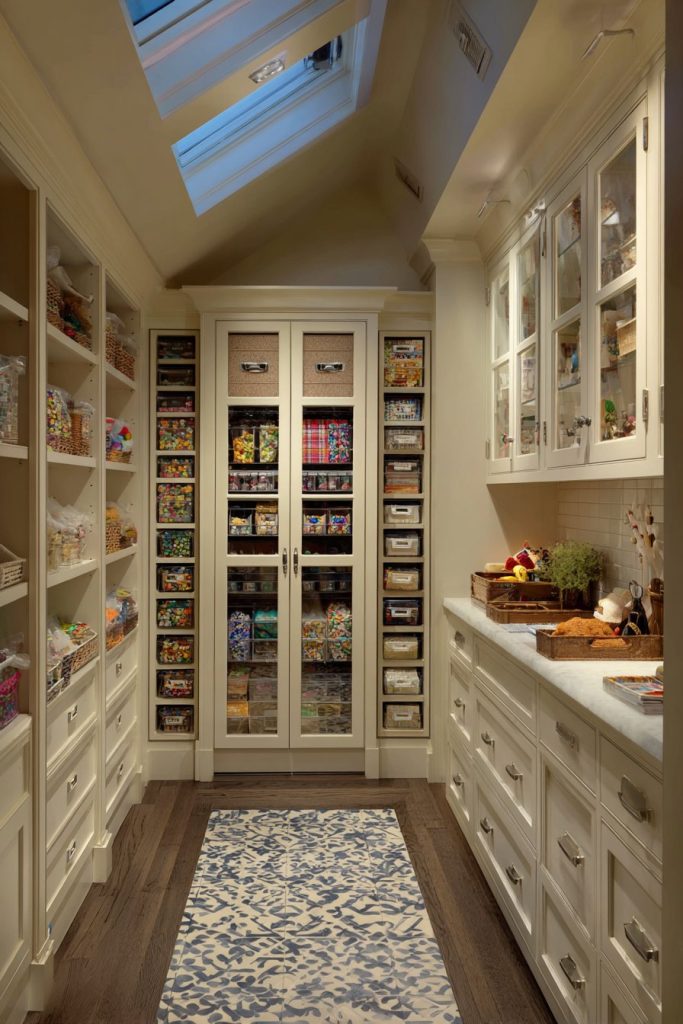
The glass-front cabinet storage serves dual purposes: protecting valuable seasonal decorations from dust and moisture while allowing family members to quickly identify contents without opening multiple containers. This visibility reduces the frustration often associated with seasonal decorating and encourages more frequent use of stored items.
Key Design Tips:
- Install skylights to create natural lighting and reduce claustrophobic feelings
- Use glass-front cabinets for seasonal decorations to provide protection and visibility
- Choose interlocking tiles for flooring that can handle moisture and heavy traffic
- Create rotation zones where current seasonal items are easily accessible
- Label storage areas by season rather than specific holidays for flexibility
4. Vertical Maximization for Compact Attic Spaces

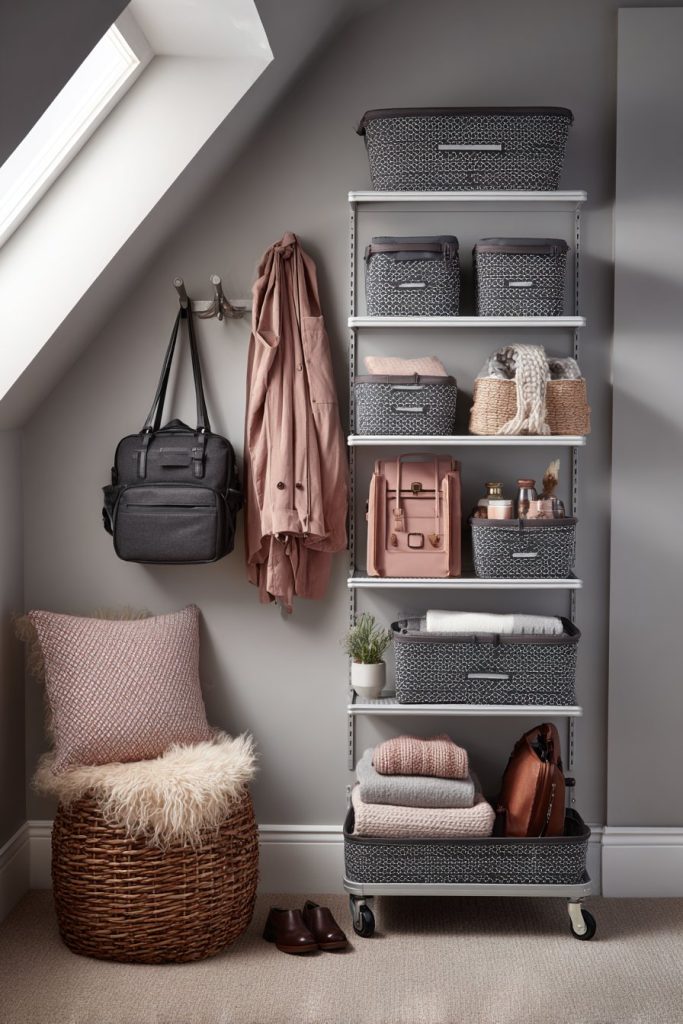
Small attics require creative solutions that maximize every inch of vertical space, and this design demonstrates how adjustable shelving systems can reach from floor to ceiling. Vertical storage towers take advantage of the attic’s height while rolling storage carts provide mobile organization options that can be repositioned as needs change. Wall-mounted hooks utilize every available surface, turning potential dead space into functional storage areas.
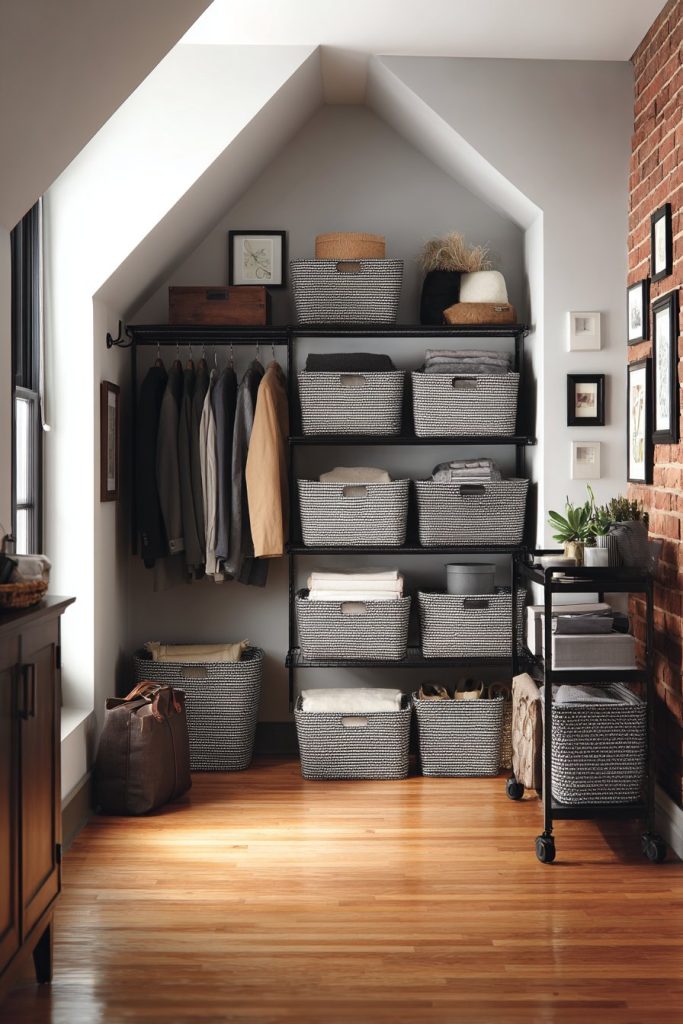
The design carefully incorporates proper insulation considerations, ensuring that storage solutions don’t compromise the home’s energy efficiency. Climate-controlled storage areas protect sensitive items from temperature fluctuations while maintaining the overall organization system. The innovative use of limited space showcases how thoughtful planning can overcome the challenges of compact attic areas.
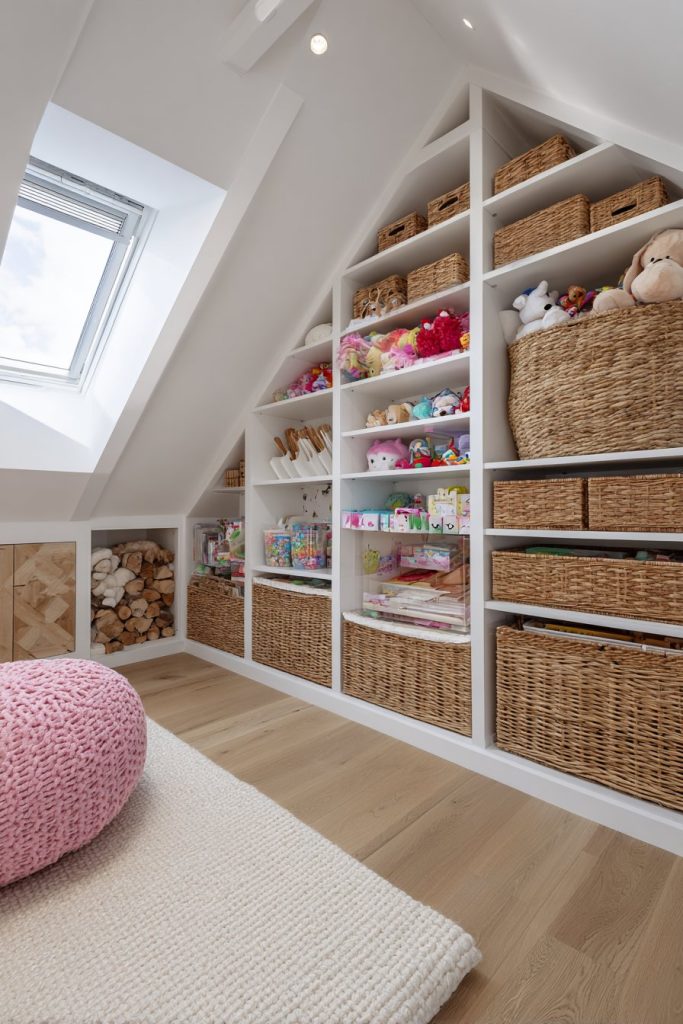
Interior design photography captures the clever space-saving solutions that make this small attic highly functional. The rolling carts can be moved to create workspace when needed or repositioned to access items stored behind them. The adjustable shelving allows the storage system to evolve with changing needs, accommodating different sized items as family requirements change over time.
Key Design Tips:
- Install floor-to-ceiling shelving systems to maximize vertical storage potential
- Use adjustable shelving to accommodate changing storage needs over time
- Incorporate rolling carts for flexible, mobile storage solutions
- Mount hooks on every available wall surface for maximum storage density
- Ensure proper insulation around storage installations to maintain energy efficiency
5. Family-Focused Zone Organization with Personal Spaces

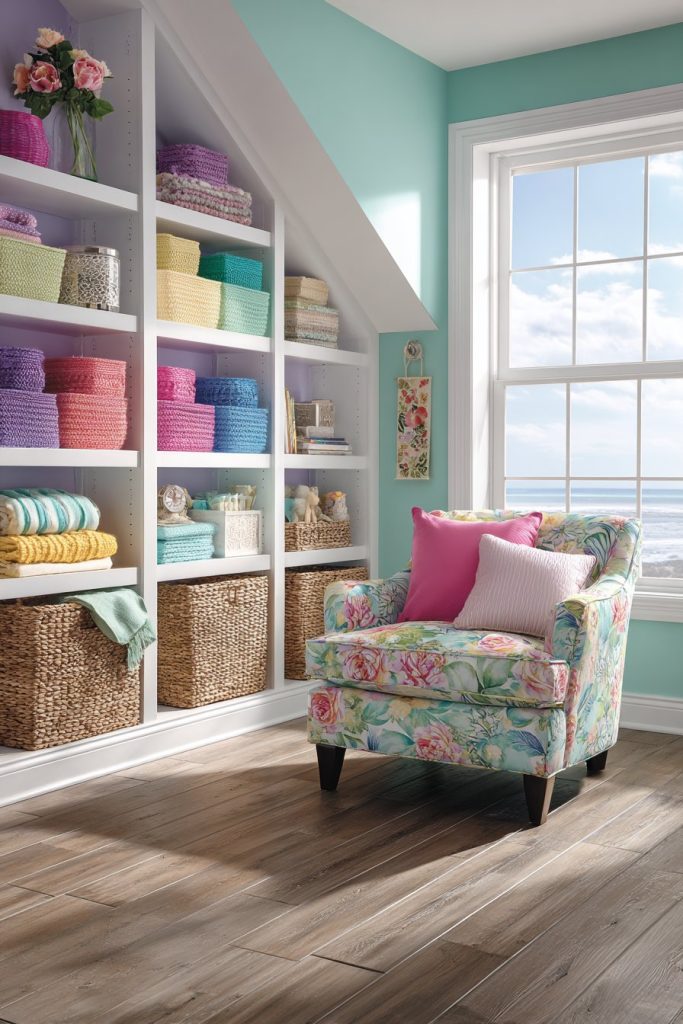
This family-centered approach to attic organization creates designated zones for each family member’s belongings, utilizing color-coded storage bins and comprehensive labeling systems that even children can understand and use. A comfortable seating area positioned near the window provides a peaceful space for sorting decisions and family organization sessions. The practical layout balances long-term storage needs with easily accessible areas for items that rotate seasonally.

Professional photography highlights how the personalized approach to attic organization creates a sense of ownership and responsibility among family members. Each person’s designated area includes both visible storage for frequently accessed items and concealed storage for less commonly used belongings. The comfortable seating area transforms what could be a tedious organizing task into a pleasant family activity.

The color-coding system extends beyond simple aesthetics to create a functional organization method that reduces confusion and increases compliance with the storage system. Natural lighting from the strategically placed window creates a livable atmosphere that encourages family members to spend time maintaining their organized spaces rather than simply dumping items and leaving.
Key Design Tips:
- Assign each family member a specific color for their storage containers
- Create comfortable seating areas to make organizing sessions more pleasant
- Position the most accessible storage at appropriate heights for different family members
- Include both visible and concealed storage options in each family zone
- Use clear, picture-based labels for children who cannot yet read confidently

6. Climate-Controlled Professional Storage System

This comprehensive attic organization system features climate-controlled storage cabinets for delicate items alongside open shelving for everyday storage needs. Proper ventilation systems and moisture control elements address the unique environmental challenges of attic spaces. Industrial-style metal shelving units provide sturdy support for heavier items while maintaining an organized aesthetic that looks professional and intentional.

Wide-angle interior photography showcases how this system addresses both form and function in challenging attic conditions. The climate-controlled cabinets protect valuable documents, photographs, electronics, and other sensitive materials from temperature fluctuations and humidity changes that can cause deterioration. The combination of enclosed and open storage creates visual variety while serving different functional needs.

The industrial aesthetic brings a modern, professional appearance to the attic space while ensuring durability and longevity. The metal shelving can support significant weight loads, making it ideal for storing boxes of books, records, or other heavy items that might overwhelm traditional shelving systems.

Key Design Tips:
- Install climate-controlled cabinets for sensitive documents, photos, and electronics
- Ensure proper ventilation to prevent moisture buildup and mold growth
- Choose industrial-grade metal shelving for heavy item storage
- Monitor humidity levels and install dehumidifiers if necessary
- Create separate zones for climate-sensitive and regular storage items
7. Vintage-Inspired Character Storage with Modern Function

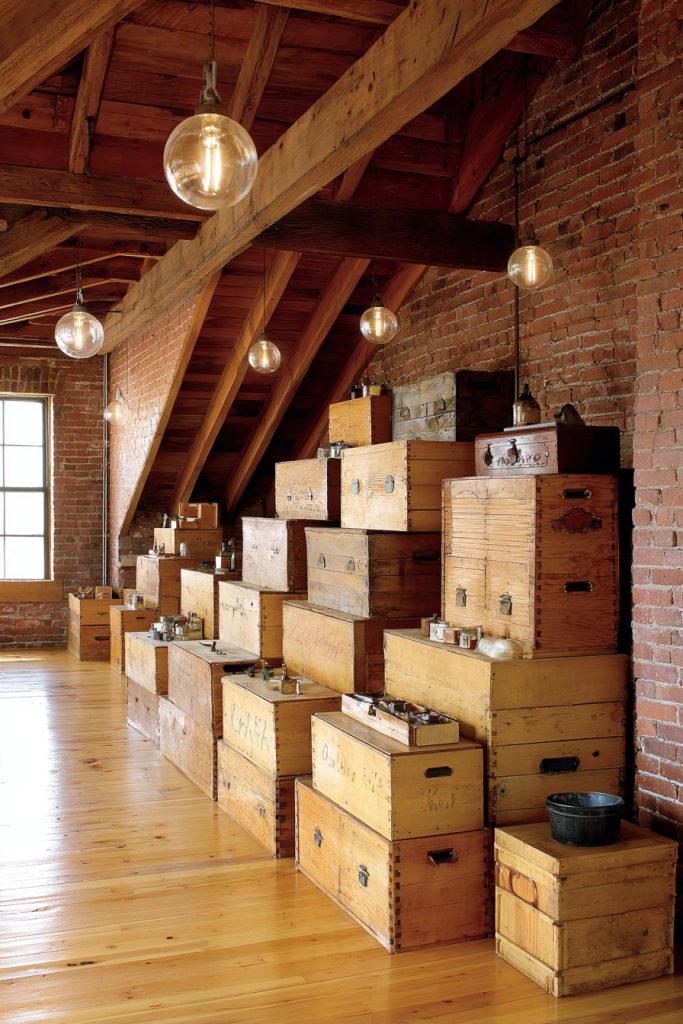
This design celebrates the inherent character of older homes by incorporating restored antique armoires and repurposed wooden crates as stylish storage solutions. The natural charm of exposed brick chimney and original hardwood flooring provides an authentic backdrop for the organization system. Modern pendant lighting fixtures ensure adequate illumination while respecting the historical aesthetic of the space.
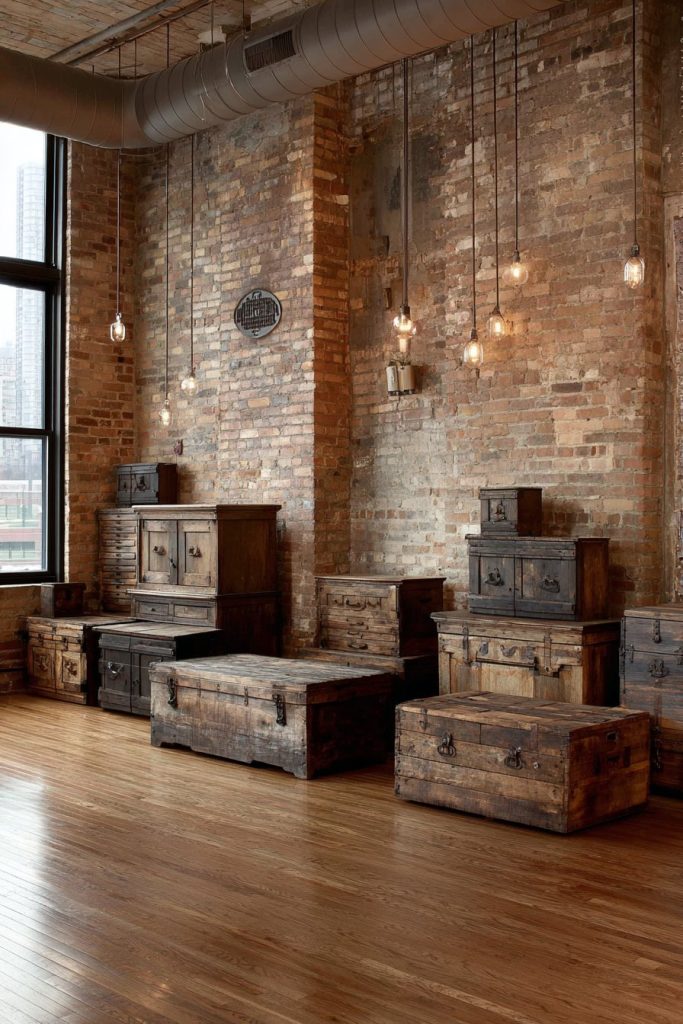
The photography captures how historical character can be preserved while implementing contemporary organization principles. Restored antique pieces provide ample storage while adding personality and warmth to the attic space. The wooden crates, likely sourced from local markets or salvage yards, create flexible storage options that can be rearranged as needs change.
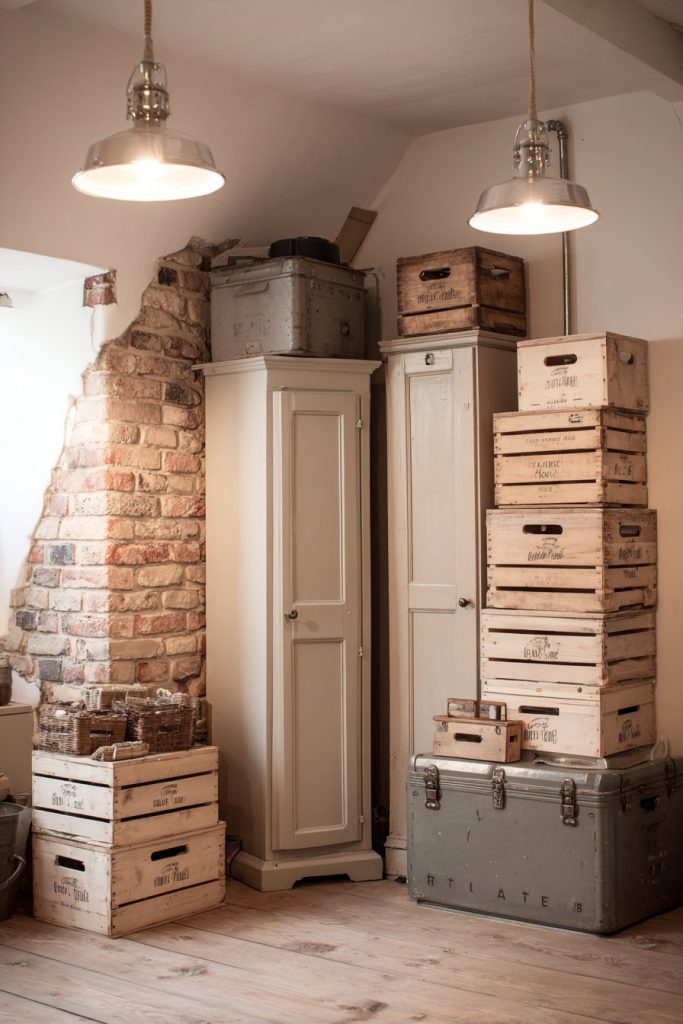
This approach demonstrates that effective attic organization doesn’t require sacrificing the architectural character of older homes. Instead, thoughtful integration of period-appropriate storage pieces with modern organizational principles creates a space that feels both functional and authentic.
Key Design Tips:
- Restore antique furniture pieces to serve as both storage and decorative elements
- Preserve original architectural features like exposed brick and hardwood floors
- Use repurposed wooden crates for flexible, moveable storage options
- Install period-appropriate lighting fixtures that provide adequate illumination
- Balance historical preservation with modern organization functionality
8. Specialized Craft Room with Creative Storage Solutions
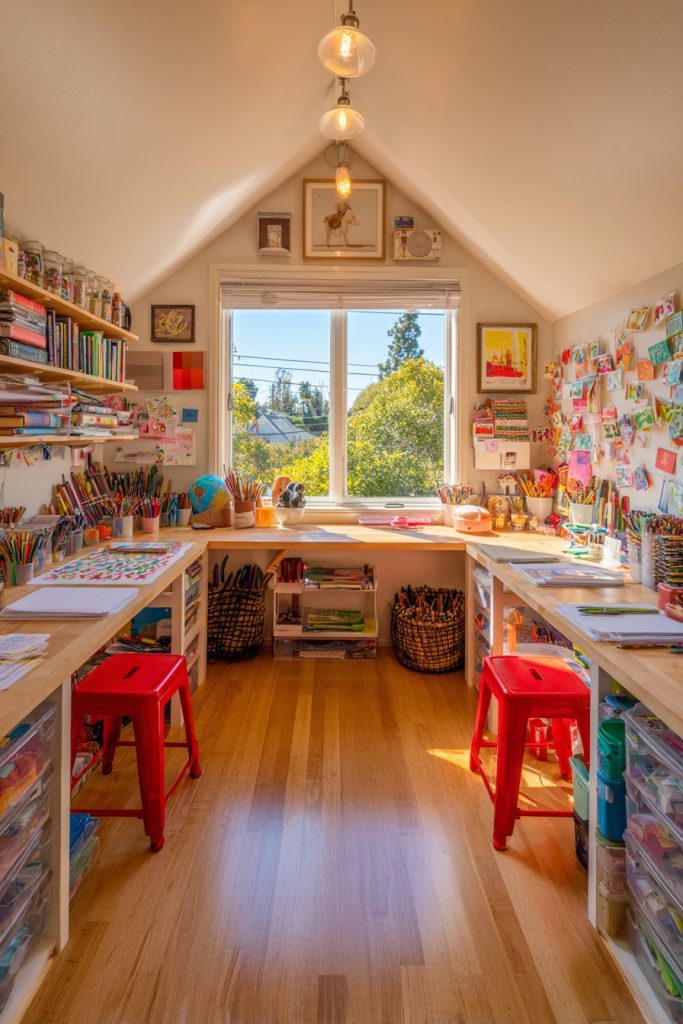
This attic transformation creates a dedicated craft room with specialized storage for art supplies and seasonal decorations, featuring compartmentalized containers that provide clear visibility of contents. Built-in work surfaces along the window wall maximize natural light for detailed creative projects. The organization system accommodates both horizontal and vertical storage options, optimized for the sloped ceiling architecture typical of attic spaces.

Professional interior photography with soft, diffused lighting highlights how organized attic spaces can unlock creative potential while maintaining practical accessibility. The specialized compartments ensure that small craft supplies remain organized and easy to locate, reducing the frustration that can stifle creative inspiration. The work surface positioning takes advantage of the best natural light while providing ample space for large projects.

The dual-purpose nature of this space—serving both craft activities and seasonal decoration storage—demonstrates how attic organization can serve multiple functions without compromising efficiency. The clear visibility containers allow crafters to quickly assess supply levels and locate specific materials without disrupting the organization system.
Key Design Tips:
- Position work surfaces near windows to maximize natural light for detailed work
- Use clear, compartmentalized containers for small craft supplies and materials
- Install both horizontal and vertical storage to accommodate different types of supplies
- Create separate zones for active projects and stored seasonal decorations
- Ensure adequate electrical outlets for craft tools and equipment
9. Minimalist Modern Storage with Clean Aesthetics

This sophisticated approach to attic organization embraces minimalist principles with clean-lined built-in storage units in pristine white finishes. Hidden hardware and seamless integration into the roof line create a contemporary aesthetic that emphasizes negative space and careful curation of stored items. LED strip lighting provides even, energy-efficient illumination throughout the organized areas.

The photography showcases how modern attic organization can achieve sophisticated simplicity while maintaining functional efficiency. Every item has a designated place, and the streamlined storage solutions eliminate visual clutter that can make attic spaces feel overwhelming. The white finish reflects available light, making the space feel larger and more open than traditional storage approaches.

This minimalist approach requires more discipline in terms of what items are kept and stored, but the result is a serene, spa-like environment that feels more like a luxury closet than a traditional attic storage area. The hidden hardware maintains clean sight lines while ensuring that storage units remain fully functional.

Key Design Tips:
- Choose white or light-colored finishes to reflect light and create spaciousness
- Install LED strip lighting for even, energy-efficient illumination
- Use hidden hardware to maintain clean, uninterrupted sight lines
- Carefully curate stored items to prevent visual clutter
- Integrate storage units seamlessly with the roof architecture
10. Athletic Equipment Organization with Maintenance Space

This specialized organization system caters to active families with dedicated storage for sports and recreational equipment. Specialized racks, hooks, and containers accommodate different types of activity gear while maintaining easy access for regular use. The layout includes designated areas for seasonal sports equipment rotation and a maintenance workspace for equipment care and repair.

Durable flooring materials handle the demands of heavy equipment and potential moisture from wet gear while maintaining organization standards. Interior design photography captures how this active lifestyle approach to attic organization prioritizes accessibility and proper equipment storage techniques. The system accommodates everything from bicycles and skis to camping gear and exercise equipment.

The maintenance workspace adds significant value by providing a dedicated area for equipment care, extending the life of expensive sporting goods. This approach recognizes that athletic equipment requires ongoing maintenance and provides the space and organization to make that maintenance convenient and systematic.

Key Design Tips:
- Install specialized racks designed for specific types of sporting equipment
- Create rotation areas for seasonal equipment like skis and water sports gear
- Use moisture-resistant flooring materials that can handle wet equipment
- Include a maintenance workspace with tools and supplies for equipment care
- Position frequently used items at easily accessible heights and locations
11. Literary Haven with Integrated Reading Sanctuary

This book lover’s dream features floor-to-ceiling bookshelves with an integrated reading nook positioned to capture the best natural light from dormer windows. The organization system includes archival storage for documents and collections with proper preservation techniques. Comfortable seating and adequate lighting create a functional study space within the organized attic environment.

Professional photography highlights how this intellectual approach to attic organization creates a peaceful atmosphere conducive to reading and study. The systematic book organization methods—whether by author, subject, or dewey decimal system—make the collection accessible and browsable. The reading nook provides a comfortable retreat for enjoying the organized collection.

The archival storage components protect valuable documents, first editions, and family papers from environmental damage while keeping them organized and accessible. This approach transforms the attic into a personal library that rivals professional installations in terms of both function and aesthetic appeal.

Key Design Tips:
- Install floor-to-ceiling bookshelves to maximize storage for large collections
- Position reading areas near windows for optimal natural light
- Use archival storage methods for valuable books and documents
- Include comfortable seating with appropriate task lighting for reading
- Organize books using a consistent system that makes sense for your collection
12. Memory Preservation Center with Archival Standards

This emotionally resonant approach to attic organization focuses on preserving family memories with archival storage systems for photographs, documents, and heirlooms. Climate-controlled display areas protect precious items while making them accessible for viewing and sharing. Sorting stations with proper lighting facilitate the examination and organization of delicate family treasures.
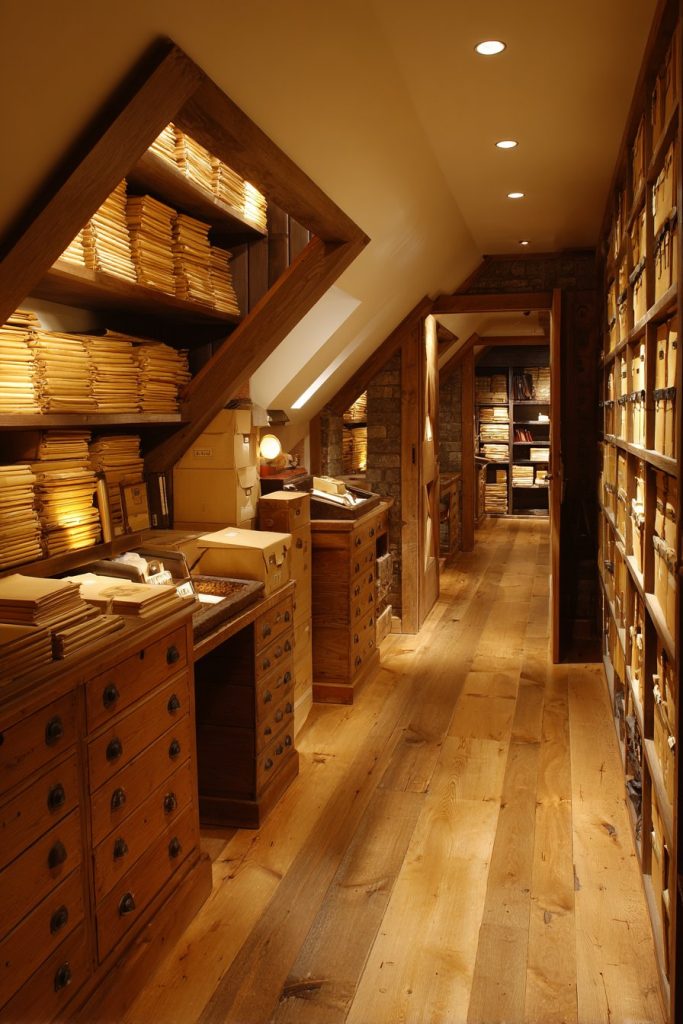
Traditional wooden storage furniture complements the sentimental nature of the stored items while providing proper protection from environmental factors. The photography captures the emotional significance of this approach to attic organization, emphasizing the careful preservation and respectful handling of family history. The sorting stations make the often overwhelming task of organizing family archives more manageable.

This system recognizes that family memories deserve the same level of organization and protection as valuable collections, providing archival-quality storage that will preserve these treasures for future generations. The display areas allow families to enjoy their heritage while keeping precious items safe from damage.

Key Design Tips:
- Use archival-quality storage materials for photographs and documents
- Create climate-controlled areas for the most valuable family treasures
- Install proper lighting for examining delicate items without causing damage
- Include sorting stations to make archive organization more manageable
- Choose traditional wooden furniture that complements the sentimental nature of stored items
13. Workshop Integration with Heavy-Duty Solutions

This robust approach to attic organization features heavy-duty shelving systems and tool storage solutions designed specifically for the unique challenges of attic workshop spaces. Proper ventilation and electrical systems support various workshop activities while industrial materials and finishes provide durability. The wide-angle photography showcases how this practical approach serves serious hobbyists and craftspeople.
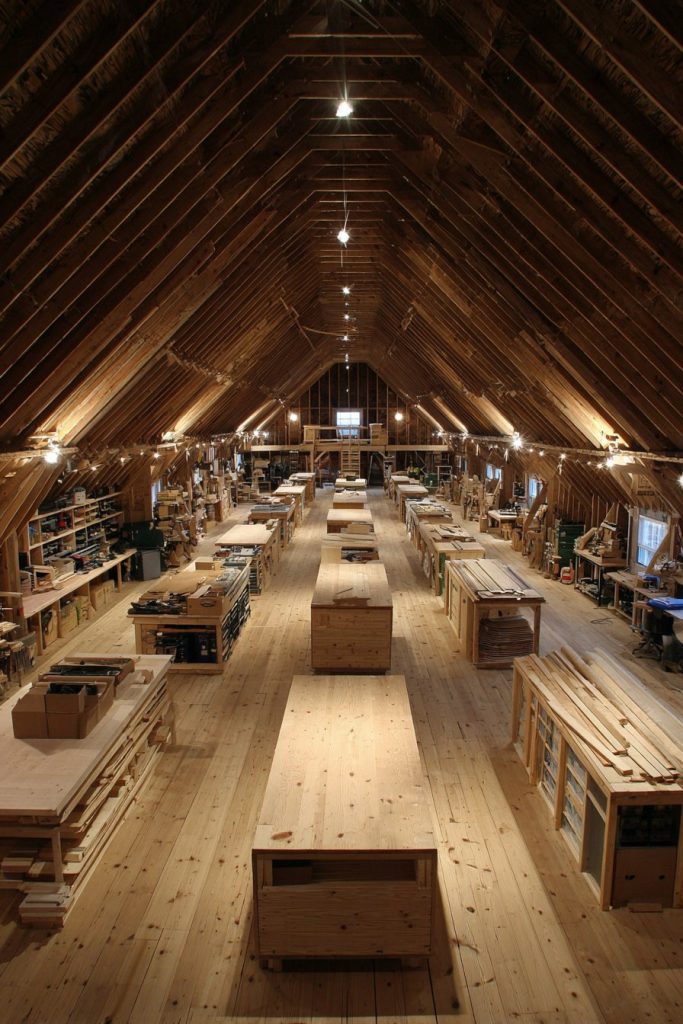
The workshop integration transforms the attic into a functional work space while maintaining organization principles. Heavy-duty shelving can support power tools, lumber, and other workshop materials while specialized tool storage keeps equipment organized and easily accessible. The ventilation system addresses safety concerns related to workshop activities in enclosed spaces.

This approach recognizes that many homeowners need dedicated workspace for hobbies and projects, and the attic can provide that space when properly organized and equipped. The industrial aesthetic suits the functional nature of the space while ensuring longevity and durability.

Key Design Tips:
- Install heavy-duty shelving systems rated for workshop tool and material weights
- Ensure proper ventilation for workshop activities and chemical storage
- Include adequate electrical service for power tools and equipment
- Use industrial-grade materials and finishes for durability in workshop conditions
- Create designated storage for different types of tools and materials
14. Fashion Storage with Textile Preservation

This elegant approach to attic organization caters to fashion enthusiasts with cedar-lined closets, garment racks, and specialized storage for accessories and shoes. Proper humidity control and air circulation protect valuable textiles from damage while maintaining organization. Mirror placement and adequate lighting create a functional dressing area within the organized space.

Professional interior photography highlights the sophisticated storage solutions and elegant presentation of clothing collections. The cedar lining provides natural moth protection while the specialized storage accommodates different types of garments and accessories. The dressing area functionality makes this space practical for daily use rather than just storage.

This system recognizes that clothing and accessories represent significant investments that deserve proper care and organization. The fashion-forward approach creates a boutique-like environment that makes getting dressed a pleasure rather than a chore.

Key Design Tips:
- Install cedar lining in closet areas for natural moth and moisture protection
- Include specialized storage for different types of accessories and shoes
- Control humidity levels to prevent damage to natural fibers
- Position mirrors and lighting to create functional dressing areas
- Use garment racks for items that need to hang freely without crowding
15. Technology Hub with Modern Cable Management

This contemporary approach to attic organization addresses the modern challenge of technology storage with comprehensive cable management systems and device storage solutions. Proper ventilation protects electronic equipment while charging stations and inventory tracking systems manage multiple devices and accessories. Modern shelving units with integrated power outlets support technological storage needs.

The photography captures how this approach addresses the unique requirements of storing modern household technology. Clean cable management prevents the tangle of wires that can make technology storage chaotic and potentially dangerous. The inventory tracking system helps families keep track of multiple devices, chargers, and accessories.

This system acknowledges that modern families accumulate significant amounts of technology that requires organized storage when not in use. The proper ventilation and electrical considerations ensure that stored electronics remain in good condition and ready for use.

Key Design Tips:
- Install comprehensive cable management systems to prevent wire tangles
- Include proper ventilation to prevent electronic equipment overheating
- Create charging stations with adequate power outlets for multiple devices
- Use inventory tracking systems to manage cables, adapters, and accessories
- Choose shelving with integrated power outlets for convenient equipment storage
16. Child-Safe Play Space with Educational Organization

This family-friendly approach creates a safe, engaging play environment with child-appropriate storage solutions and easy-access bins positioned at suitable heights for different age groups. Durable, washable surfaces and rounded edges prioritize safety while maintaining organization principles. Bright, cheerful colors and proper lighting create an inviting atmosphere that encourages children to use and maintain the organized space.
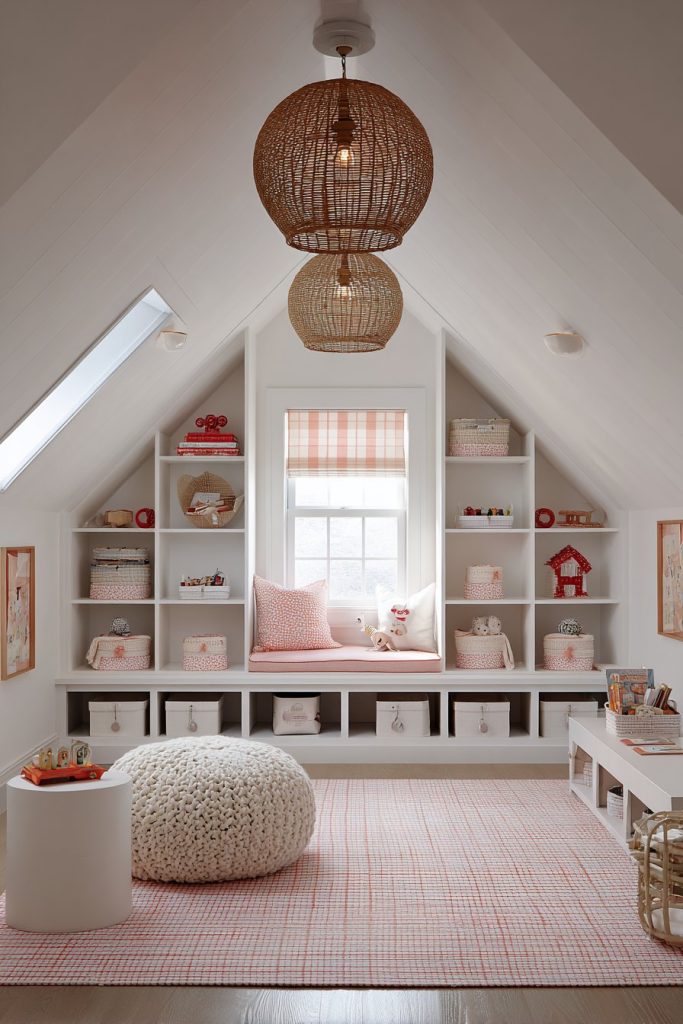
Interior design photography showcases how this approach makes attic organization accessible and appealing to children. The easy-access storage encourages independence while the safety features provide peace of mind for parents. The educational aspect of the organization helps children learn responsibility and organizational skills.

This system recognizes that children need age-appropriate storage solutions and that involving them in organization can teach valuable life skills. The bright, cheerful environment makes spending time in the organized space pleasant for both children and adults.

Key Design Tips:
- Position storage at appropriate heights for children to access independently
- Use washable surfaces and rounded edges for safety in play areas
- Choose bright, cheerful colors that appeal to children and encourage use
- Install adequate lighting to create a safe, inviting environment
- Include educational elements that teach children organizational skills
17. Garden Storage with Seasonal Equipment Management

This nature-inspired organization system provides specialized storage for gardening supplies, tools, and equipment with dedicated racks and containers for different types of materials. The design includes potting station areas and proper storage for seeds and plant care supplies. Natural materials and earthy colors complement the gardening theme while maintaining practical organization standards.

Professional photography highlights how this green lifestyle approach systematically organizes gardening equipment and seasonal plant care materials. The potting station provides a convenient workspace for plant care activities while the specialized storage keeps tools and supplies organized and accessible. The natural aesthetic creates harmony between the storage function and gardening purpose.

This approach serves avid gardeners who accumulate significant amounts of tools, supplies, and seasonal equipment. The organization system makes gardening more enjoyable by ensuring that necessary items are easy to locate and in good condition when needed.

Key Design Tips:
- Create specialized storage for different types of gardening tools and supplies
- Include potting station areas for plant care and preparation activities
- Use natural materials and earthy colors that complement gardening themes
- Store seeds and chemicals in climate-controlled conditions for longevity
- Organize tools and equipment by season and frequency of use
18. Guest Suite Conversion with Hidden Storage

This innovative approach transforms attic storage into a dual-purpose space with Murphy bed systems and convertible furniture that creates comfortable guest accommodation when needed. Hidden storage solutions maintain the guest room aesthetic while providing extensive organization capabilities. Quality linens and guest amenities are stored in easily accessible but concealed areas.
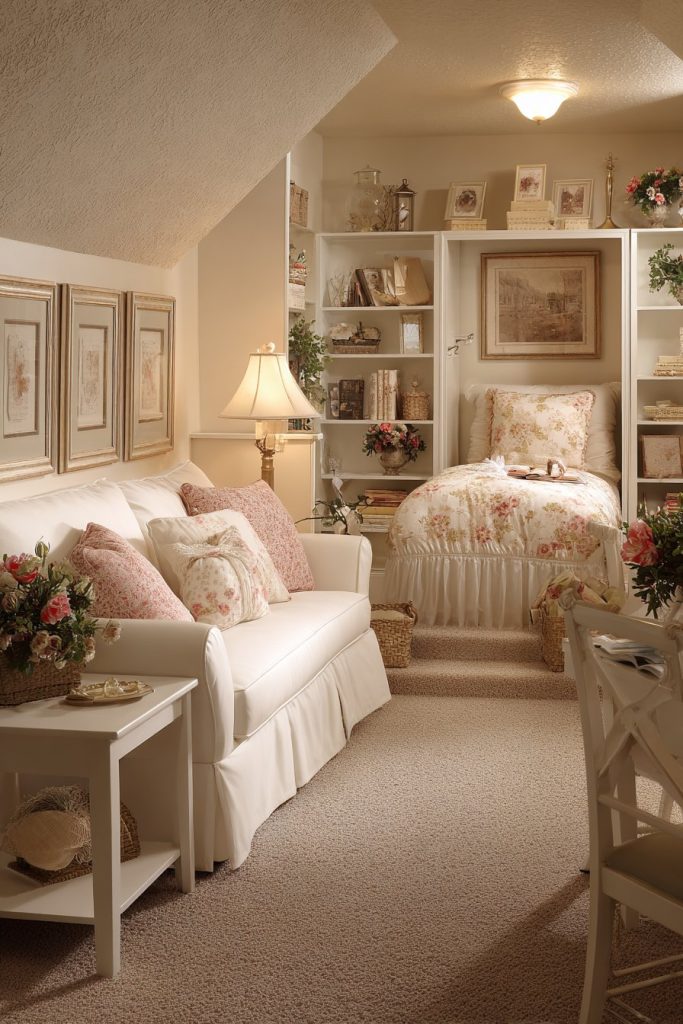
The photography captures how this dual-purpose approach seamlessly transitions between storage and hospitality functions. The Murphy bed system maximizes floor space when not in use while providing comfortable sleeping accommodations for guests. The hidden storage maintains the room’s aesthetic appeal while serving practical organization needs.

This system provides excellent value by creating multipurpose space that serves both storage and guest accommodation needs. The convertible furniture and hidden storage make the transformation between functions quick and easy.

Key Design Tips:
- Install Murphy bed systems to maximize floor space when not hosting guests
- Use convertible furniture that serves both storage and hospitality functions
- Create hidden storage areas that maintain guest room aesthetic appeal
- Store quality linens and guest amenities in easily accessible locations
- Design the space to transition quickly between storage and guest functions
19. Rustic Charm with Sustainable Material Focus

This environmentally conscious approach features reclaimed wood storage solutions and vintage-inspired metal fixtures that complement the natural architecture of attic spaces. Traditional storage methods combine with modern organization principles for optimal functionality. Natural textures and warm lighting create an inviting atmosphere while maintaining practical storage capabilities.
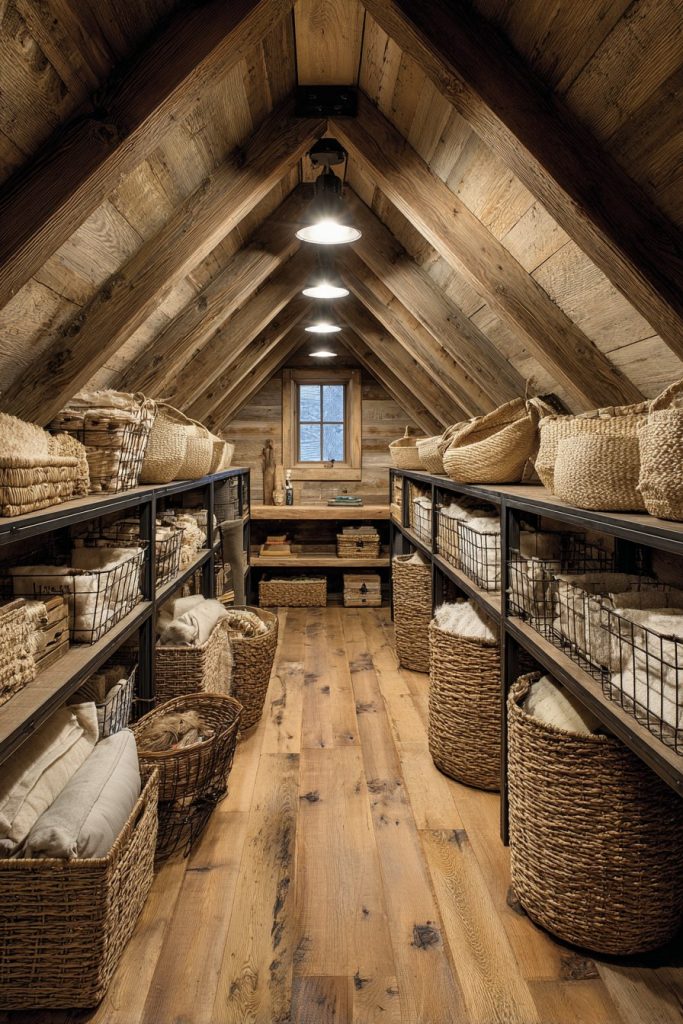
Interior design photography showcases how sustainable materials can create both beautiful and functional organization solutions. The reclaimed wood brings character and history to the space while the vintage-inspired fixtures add charm and personality. The combination of traditional and modern approaches creates a timeless aesthetic.

This approach appeals to environmentally conscious homeowners who want their organization solutions to reflect their values. The sustainable materials often provide superior durability while creating unique, characterful storage solutions.

Key Design Tips:
- Choose reclaimed wood and recycled materials for sustainable storage solutions
- Incorporate vintage-inspired fixtures that add character and charm
- Combine traditional storage methods with modern organization principles
- Use natural textures and warm lighting to create inviting atmospheres
- Focus on durability and longevity in material choices
20. Wellness Sanctuary with Mindful Organization

This serene approach creates a meditation and wellness space with minimalist storage for yoga equipment, meditation supplies, and wellness accessories. Integrated seating areas support practice while natural materials and soft lighting create a peaceful environment. Clean lines and purposeful storage solutions support mindfulness practices within the organized attic space.
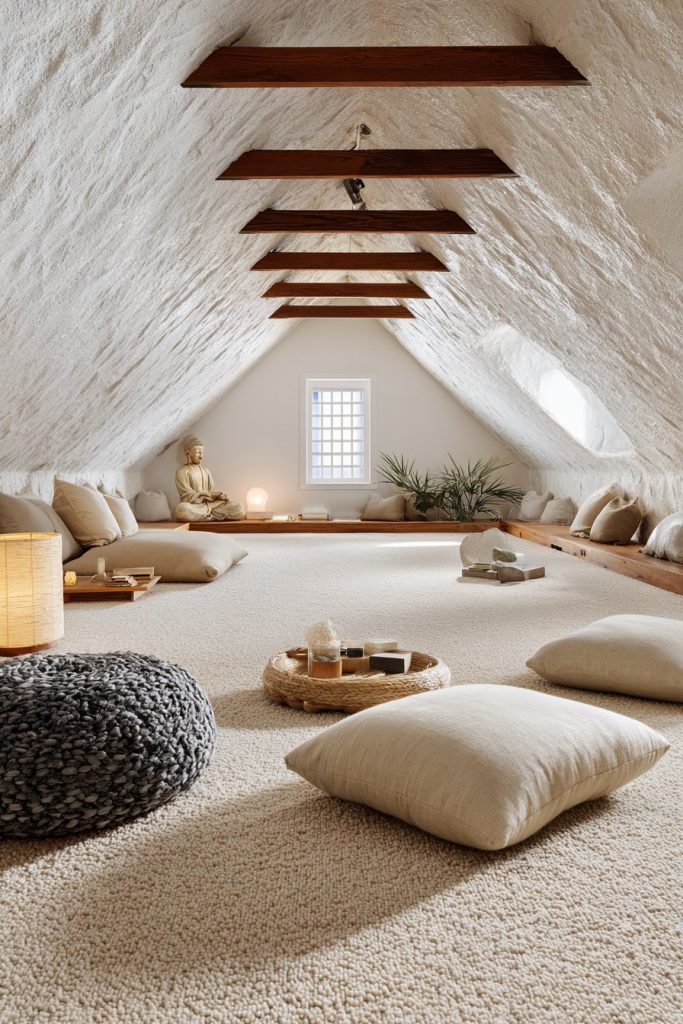
Professional photography captures the zen approach to attic organization with emphasis on tranquil atmosphere and thoughtful integration of storage with wellness lifestyle elements. The minimalist aesthetic reduces visual distractions while the organized storage makes wellness practices more accessible and appealing. The natural materials and soft lighting create a sanctuary-like environment.

This approach recognizes that wellness practices require dedicated space and that organization can support mindfulness and peace. The thoughtful storage solutions make it easy to maintain regular wellness practices while keeping the space serene and uncluttered.

Key Design Tips:
- Use natural materials and soft lighting to create peaceful environments
- Include integrated seating areas for meditation and wellness practices
- Choose minimalist storage solutions that reduce visual distractions
- Organize wellness equipment to make regular practice convenient and appealing
- Focus on creating sanctuary-like atmosphere that supports mindfulness
Why These Attic Organization Designs Represent the Best Solutions
These twenty attic organization approaches represent the finest examples of functional design because they address the unique challenges of attic spaces while serving diverse lifestyle needs. Each design concept incorporates essential elements of successful attic organization: proper lighting solutions, climate considerations, accessibility planning, and aesthetic integration. The best attic organization systems recognize that these spaces require specialized approaches that differ significantly from traditional room organization.
The superior attic organization designs featured here excel because they maximize vertical space utilization, incorporate proper environmental controls, and create systems that family members will actually use and maintain. Climate-controlled storage protects valuable items, while proper lighting ensures safety and functionality. The integration of natural materials like cedar provides both aesthetic appeal and practical benefits such as pest resistance and moisture control.
Professional attic organization requires understanding how sloped ceilings, temperature fluctuations, and limited access affect storage decisions. The best systems create zones for different types of items while maintaining clear pathways for safe navigation. Successful attic organization also includes proper insulation considerations, ensuring that storage installations don’t compromise home energy efficiency.
These exemplary designs demonstrate that effective attic organization extends beyond simple storage to create valuable additional living space. Whether serving as workshops, guest rooms, or specialized storage areas, well-organized attics add significant value to homes while improving daily life functionality. The investment in quality attic organization systems pays dividends in increased home value, improved functionality, and reduced stress related to household storage needs.
Conclusion
Transforming your attic from a cluttered storage area into an organized, functional space requires careful planning, appropriate materials, and systematic implementation. The twenty design concepts presented here demonstrate that successful attic organization can accommodate any lifestyle, storage need, or aesthetic preference while addressing the unique challenges these spaces present. From climate-controlled archival storage to fully functional workshops, from serene meditation spaces to efficient seasonal storage systems, the possibilities for attic transformation are limitless.
The key to successful attic organization lies in understanding your specific needs, assessing your space’s unique characteristics, and implementing systems that your family will maintain over time. Whether you choose a minimalist approach with clean lines and hidden storage or a rustic design featuring reclaimed materials and vintage charm, the most important factor is creating a system that serves your lifestyle while maximizing the potential of this valuable space.
Remember that the best attic organization systems evolve with your changing needs while maintaining their fundamental structure and accessibility. Invest in quality materials, proper lighting, and climate control to protect your belongings and create a space that adds value to your home for years to come. With thoughtful planning and systematic implementation, your attic can become one of the most valuable and functional areas of your home.


