
The bathroom has evolved from a purely functional space into a personal sanctuary where design meets wellness. As American homeowners increasingly seek sophisticated, spa-like experiences at home, they’re discovering what Europeans have known for decades: wet room bathrooms represent the pinnacle of modern bathroom design. This innovative approach eliminates traditional shower enclosures, creating a seamless, waterproofed space that’s both visually stunning and remarkably practical.
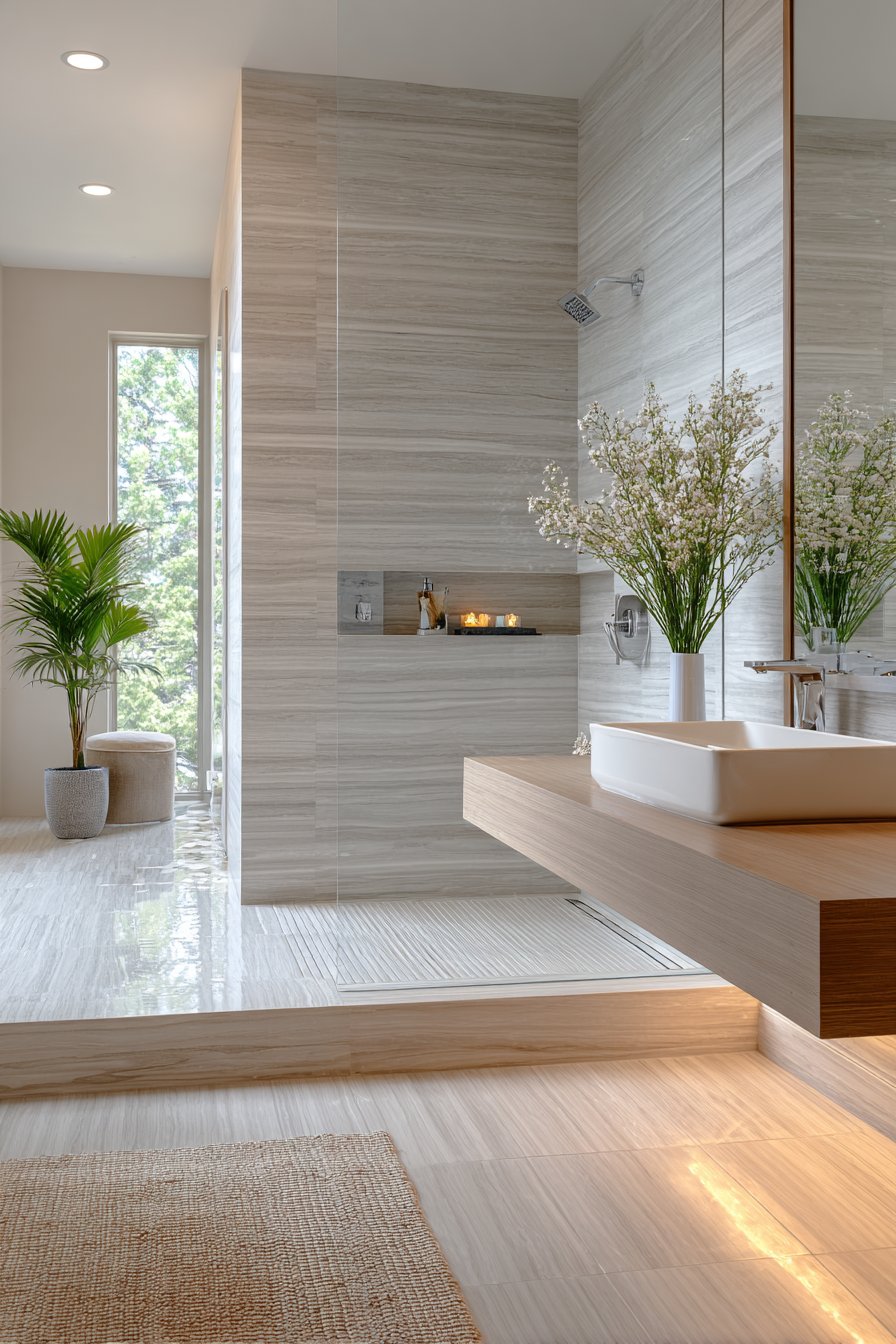
The wet room concept transforms entire bathrooms into walk-in shower areas, where water can flow freely without boundaries. This open-plan bathroom design originated in Scandinavian countries and has been a European standard for years. Now, American homeowners are embracing this trend, drawn by its clean aesthetic, accessibility features, and ability to make small bathrooms feel dramatically larger. The shift reflects a broader movement toward minimalist luxury and barrier-free living.
What makes wet rooms particularly appealing is their versatility across different home styles and bathroom sizes. Whether you’re renovating a cramped urban apartment or designing a luxurious master suite, the wet room approach offers practical elegance that transcends traditional bathroom limitations. This article explores why this European innovation is rapidly becoming America’s most sought-after bathroom trend and how you can successfully incorporate it into your home.

1. Understanding the Wet Room Concept
A wet room fundamentally reimagines bathroom layout by creating a fully waterproofed environment without separate shower compartments. Unlike traditional bathrooms with enclosed showers or tubs, wet rooms feature a gently sloped floor that directs water toward a central or linear drain. The entire floor, walls, and sometimes ceiling receive waterproof treatment, allowing the shower area to blend seamlessly with the rest of the bathroom.
This design philosophy emphasizes spatial continuity rather than division. You’ll notice the absence of shower curbs, doors, or curtains that typically fragment bathroom space. Instead, glass panels or partial walls may define the shower zone while maintaining visual flow. The result is a bathroom that feels more like a cohesive room than a collection of separate fixtures.
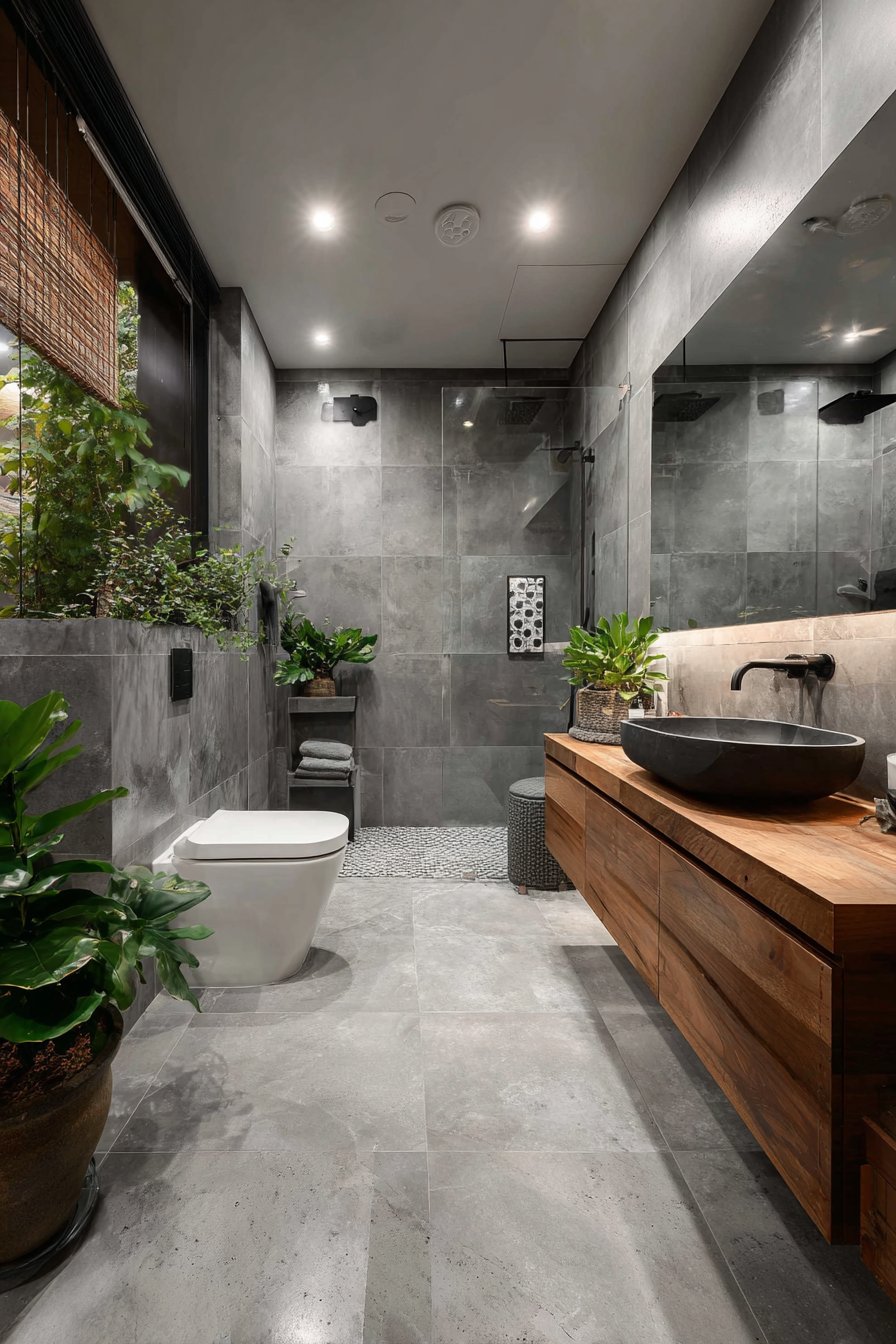
The beauty of wet rooms lies in their adaptable nature across various architectural styles. Modern homes embrace the sleek minimalism, while traditional spaces can incorporate wet room elements through careful material selection. The key is proper waterproofing and drainage—technical considerations that require professional installation but deliver long-term benefits in functionality and aesthetics.
- Ensure entire bathroom receives proper tanking (waterproof membrane) before installation
- Install floor drains with adequate capacity, typically 50-75mm diameter minimum
- Create floor slope of approximately 1:40 to 1:80 for effective drainage
- Use slip-resistant tiles rated R10 or higher for safety
- Consider underfloor heating to manage moisture and improve comfort
- Invest in high-quality ventilation systems to prevent humidity buildup
2. Space Enhancement and Visual Expansion
Wet rooms create an optical illusion of spaciousness that’s particularly valuable in smaller bathrooms. By removing physical barriers like shower doors and tub surrounds, you eliminate visual interruptions that make spaces feel cramped. The continuous floor plane and unbroken sightlines trick the eye into perceiving more square footage than actually exists.
The strategic use of materials amplifies this expansive feeling. Large-format tiles with minimal grout lines create seamless surfaces that enhance spatial perception. When the same flooring material extends throughout the entire room, including the shower area, boundaries disappear. This continuity is especially powerful when combined with consistent wall treatments that guide the eye upward rather than stopping at partition lines.
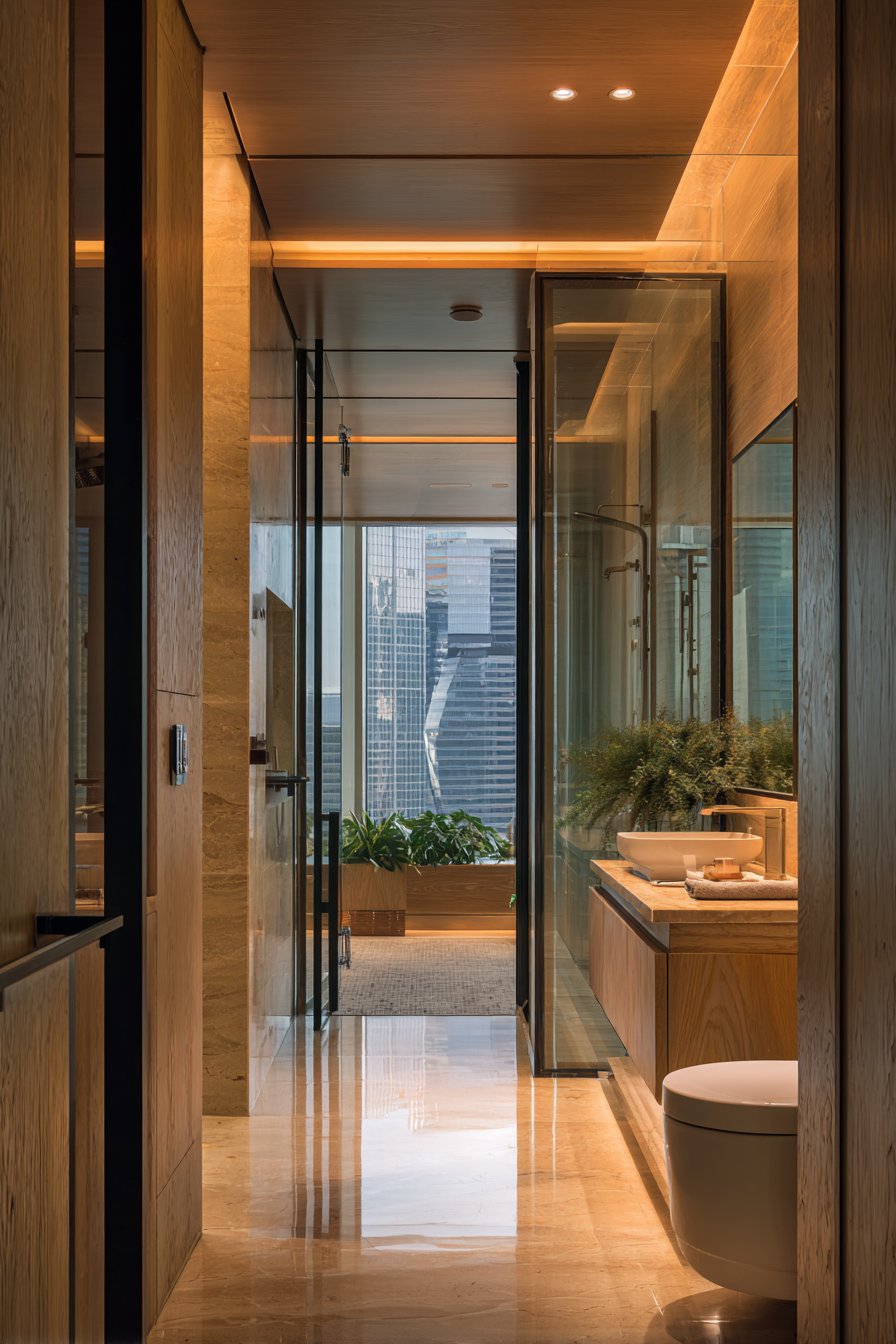
Lighting plays a crucial role in maximizing perceived space within wet rooms. Without shower enclosures blocking light, illumination can flow freely throughout the bathroom. Recessed ceiling fixtures, waterproof LED strips, and strategically placed sconces create layered lighting that eliminates dark corners and shadows, further enhancing the sense of openness.
- Use large tiles (24×24 inches or larger) to minimize visual breaks
- Choose light-reflecting materials like glass mosaics or polished stone
- Install frameless glass panels instead of full walls when separation is needed
- Maintain consistent flooring throughout for uninterrupted visual flow
- Incorporate mirrors strategically to double the sense of space
- Select wall-mounted fixtures to keep floor areas open and visible
3. Accessibility and Universal Design Benefits
Wet rooms naturally align with universal design principles that accommodate people of all ages and abilities. The absence of thresholds, steps, or tight enclosures makes these bathrooms inherently more accessible than traditional designs. This barrier-free approach isn’t just about meeting ADA requirements—it’s about creating spaces that serve everyone comfortably and safely.
For aging-in-place considerations, wet rooms offer future-proof flexibility that traditional bathrooms can’t match. Installing grab bars becomes simpler when walls aren’t confined within shower stalls. Wheelchair users appreciate the open maneuvering space and easy access to shower controls. Even young families benefit from the spaciousness when bathing children or managing multiple people during busy mornings.
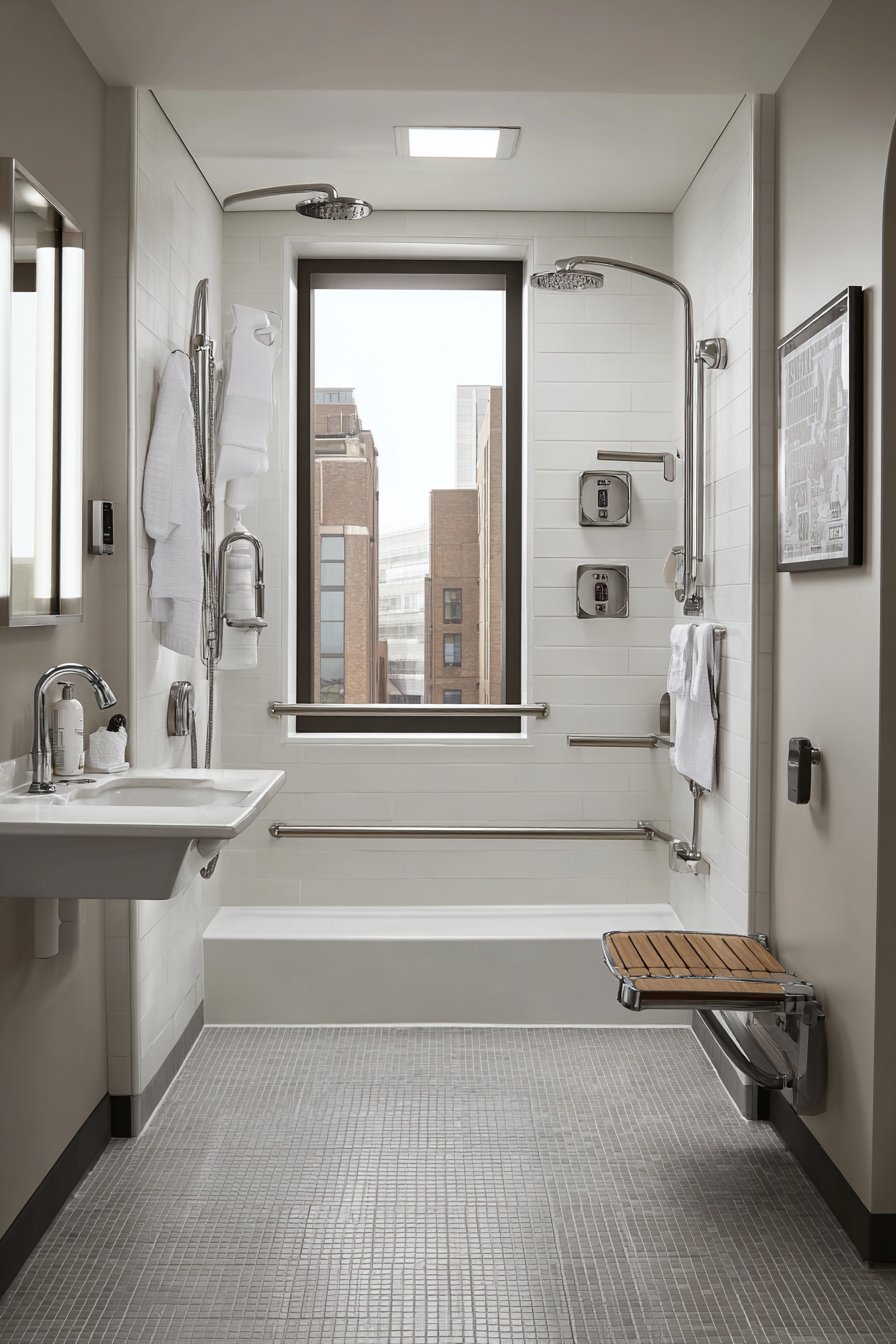
The safety advantages extend beyond mobility concerns. Slip-resistant flooring throughout the entire bathroom, rather than just in shower areas, provides consistent traction. Eliminating raised shower pans removes tripping hazards that cause numerous bathroom accidents annually. These features combine to create environments that are both beautiful and genuinely safer for daily use.
- Install reinforced backing in walls for future grab bar placement
- Position shower controls at accessible heights (38-48 inches typically)
- Ensure minimum 5-foot turning radius for wheelchair accessibility
- Use textured tiles with proper slip resistance throughout
- Consider fold-down shower seats mounted to reinforced walls
- Install hand-held shower heads with adjustable slide bars
4. Minimalist Aesthetic and Modern Luxury
The wet room aesthetic embodies contemporary minimalism that appeals to design-conscious homeowners. Clean lines, uncluttered surfaces, and thoughtful material choices create spa-like atmospheres reminiscent of high-end hotels. This pared-down approach doesn’t mean sacrificing luxury—instead, it focuses attention on quality materials and expert craftsmanship rather than excessive decoration.
Material selection becomes paramount in achieving the refined simplicity characteristic of successful wet rooms. Natural stone, large-format porcelain, and glass create sophisticated palettes that feel timeless rather than trendy. The emphasis shifts from ornamental details to the inherent beauty of well-chosen materials installed with precision. Every element serves both aesthetic and functional purposes.
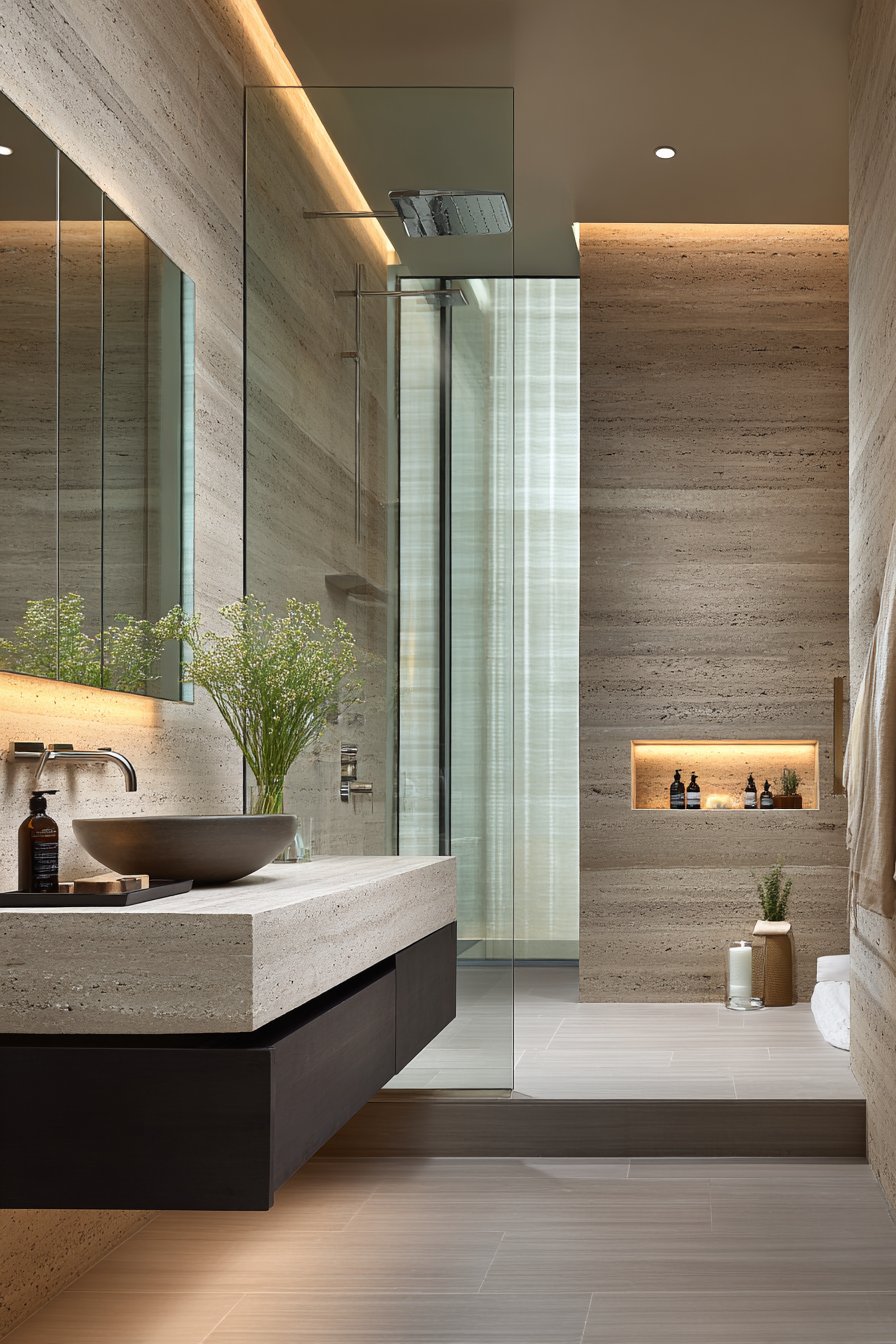
This design philosophy promotes visual calm that’s increasingly valued in our overstimulated world. Without shower curtains, cluttered shelving, or bulky enclosures, wet rooms offer serene spaces for daily rituals. The minimalist approach also simplifies cleaning and maintenance, as fewer nooks, crannies, and joints mean fewer places for grime and mildew to accumulate.
- Select neutral color palettes with subtle tonal variations
- Invest in premium materials like natural stone or high-quality porcelain
- Choose wall-mounted fixtures for cleaner lines and easier floor cleaning
- Incorporate built-in niches for storage instead of exposed shelving
- Use concealed drains or linear drains for streamlined appearance
- Limit pattern and ornamentation to maintain serene atmosphere
5. Practical Maintenance and Cleaning Advantages
Wet rooms offer surprising maintenance benefits compared to traditional bathrooms despite their water-exposed nature. The absence of shower doors eliminates the constant battle against soap scum buildup on glass tracks and seals. Without tub surrounds or shower curtains, you remove common areas where mildew thrives. The open design makes every surface easily accessible for regular cleaning.
Proper waterproofing means water exposure becomes manageable rather than problematic. Quality tanking systems protect structural elements while allowing surface water to drain efficiently. Daily squeegee use on glass panels and walls takes minutes but prevents water spots and buildup. The simplified fixture arrangement means fewer items to clean around and maintain.
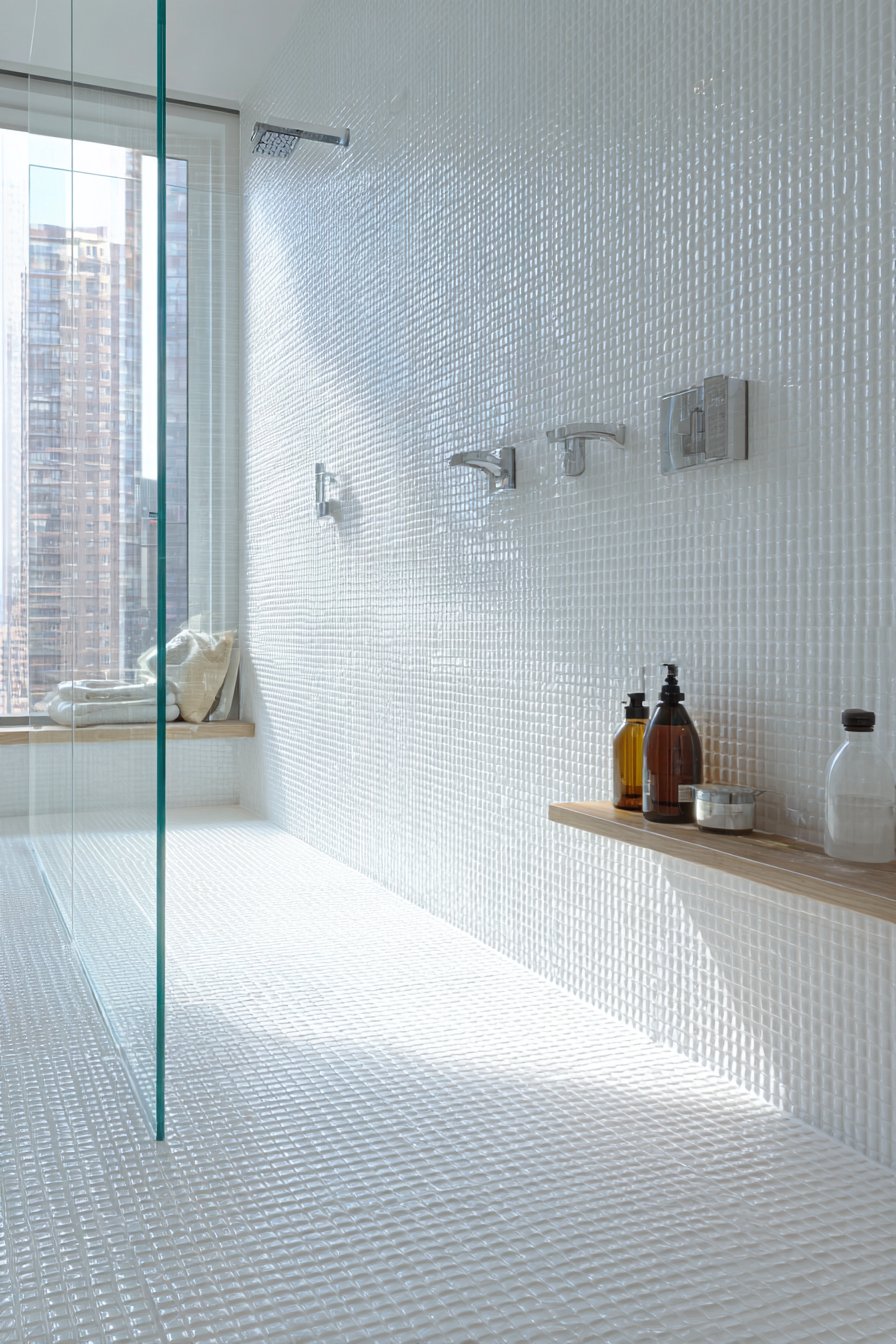
Long-term upkeep proves more straightforward with durable wet room materials chosen specifically for constant moisture exposure. Porcelain tiles, quality grout systems, and proper sealants withstand daily use better than traditional bathroom materials. The initial investment in professional waterproofing and premium materials pays dividends through reduced repair needs and easier ongoing maintenance.
- Squeegee walls and glass after each use to prevent water spots
- Apply quality grout sealer annually to protect joints
- Use pH-neutral cleaners to preserve stone and tile finishes
- Ensure adequate ventilation runs for 20 minutes post-shower
- Address any drainage issues immediately to prevent standing water
- Schedule professional waterproofing inspections every 3-5 years

6. Installation Considerations and Cost Factors
Creating a wet room requires comprehensive waterproofing expertise that goes beyond typical bathroom renovations. The entire floor structure needs proper slope engineering before any finishes are installed. Tanking systems must extend up walls to appropriate heights, typically 6-7 feet in shower zones. This technical complexity means professional installation is essential—DIY approaches risk costly water damage and structural issues.
Budget considerations for wet rooms vary significantly based on scope and materials. A basic wet room conversion in an existing bathroom might start around $8,000-$12,000, including waterproofing, drainage, and mid-range finishes. Luxury installations with premium stone, custom glass, and high-end fixtures can exceed $25,000. The investment typically adds substantial value to homes, particularly in markets where modern design is highly desirable.
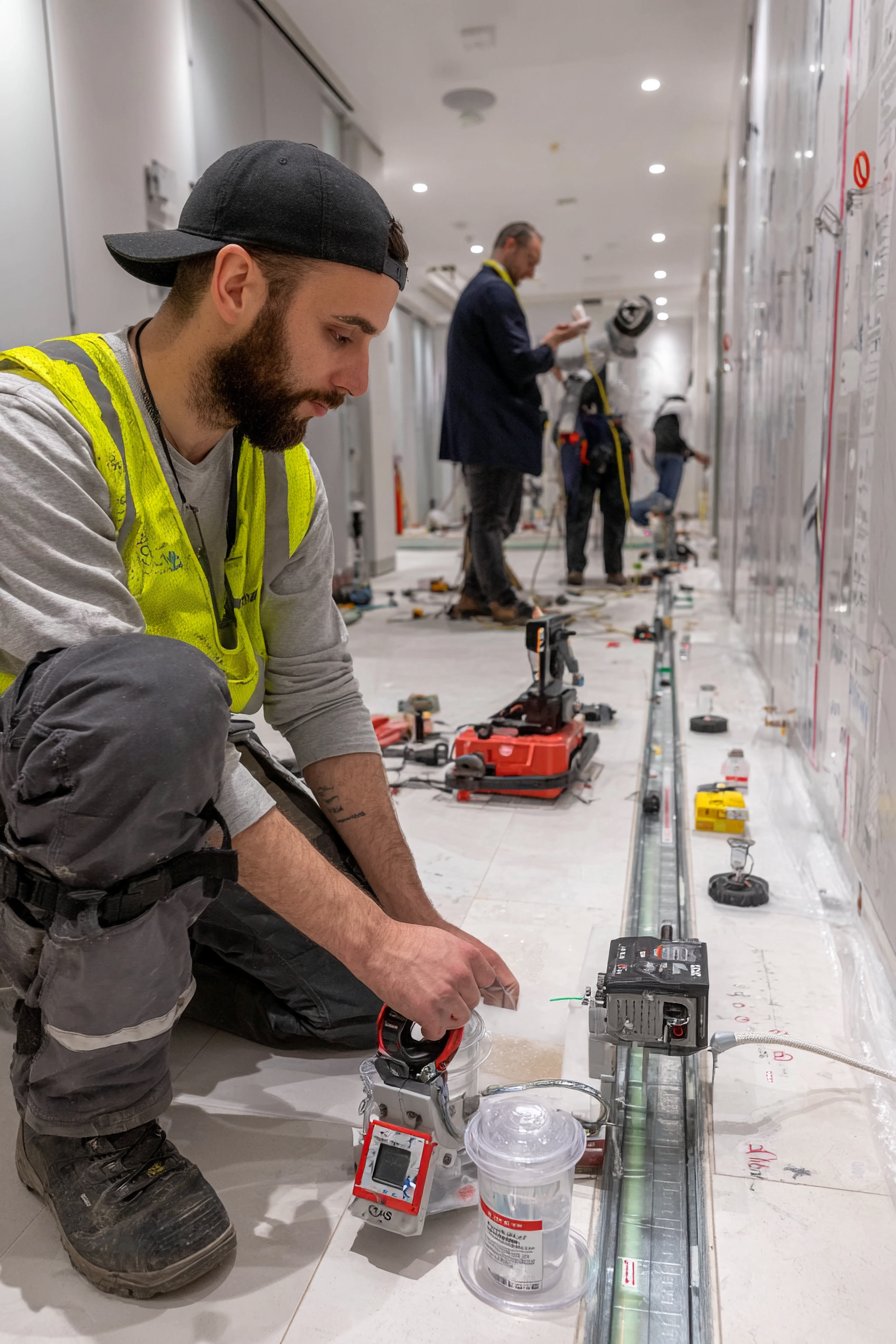
Structural factors influence feasibility and cost. Floor joist systems must accommodate drainage requirements and slope, sometimes requiring significant modifications. Second-floor installations present additional challenges around waterproofing and weight considerations. Working with experienced contractors who specialize in wet room construction ensures proper execution of these critical technical elements.
- Obtain multiple quotes from contractors with wet room experience
- Verify proper insurance coverage for waterproofing work
- Budget 15-20% contingency for unexpected structural needs
- Prioritize quality waterproofing over cosmetic finish upgrades
- Consider phased installation if budget constraints exist
- Research local building codes regarding drainage and waterproofing requirements
Wet room bathrooms represent more than a passing trend—they embody a fundamental shift toward more thoughtful, accessible, and beautiful bathroom design. By embracing the European approach to open, waterproofed spaces, American homeowners are discovering bathrooms that work better, feel larger, and deliver genuine luxury through simplicity rather than excess. The benefits extend across aesthetics, functionality, accessibility, and long-term value.
Whether you’re planning a complete renovation or considering options for your next home, the wet room deserves serious consideration. Start by consulting with experienced contractors who understand the technical requirements and can help you visualize how this European innovation might transform your space. With proper planning and execution, you’ll create a bathroom that serves you beautifully for decades while representing the best of contemporary design thinking.


