
A sunroom offers a unique bridge between indoor comfort and outdoor beauty. This versatile space can serve as your morning coffee sanctuary, reading retreat, or entertaining area throughout the year. However, creating a sunroom that remains functional and beautiful across all seasons requires thoughtful planning and strategic design choices.
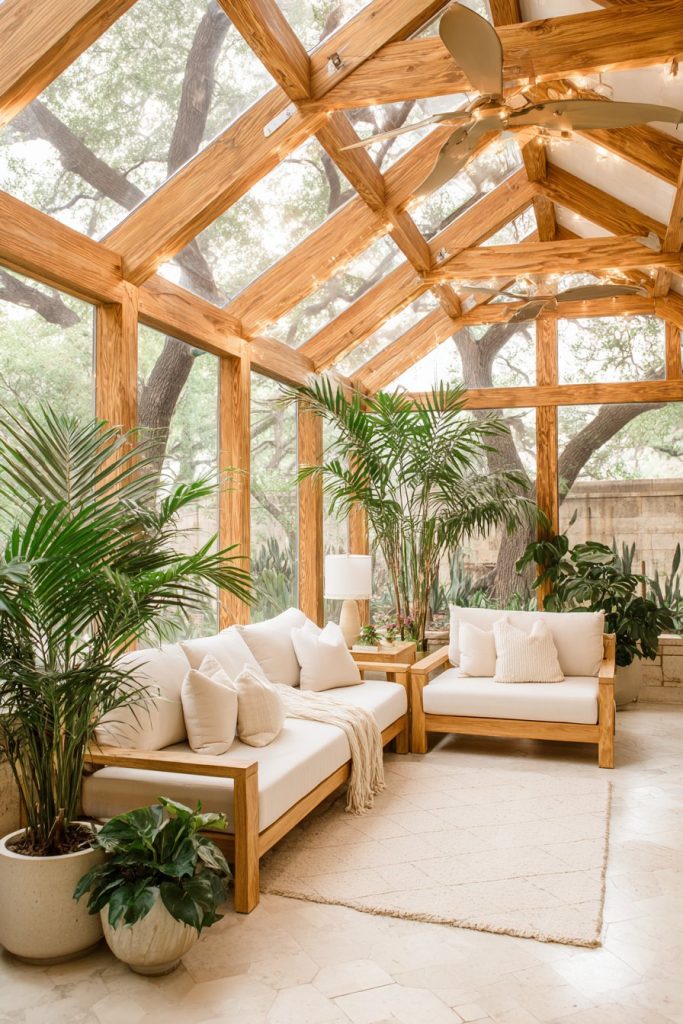
The challenge with sunroom decor lies in managing temperature fluctuations and changing natural light conditions. Summer brings intense heat and glaring sunshine, while winter introduces cold drafts and reduced daylight. Your decor choices must address these seasonal variations while maintaining a cohesive aesthetic. The right design approach ensures your sunroom becomes a year-round favorite rather than a space you avoid during extreme weather.
This article explores seven essential sunroom decor tips that work beautifully regardless of the season. From furniture selection to window treatments, each recommendation focuses on creating a space that adapts seamlessly to changing conditions. Whether you’re designing a new sunroom or refreshing an existing one, these strategies will help you maximize comfort, style, and practical functionality throughout the entire year.

1. Choose Weather-Resistant Furniture Materials
Selecting the right furniture materials is crucial for long-term durability in sunroom environments. Unlike interior rooms, sunrooms experience significant temperature swings and increased UV exposure. Materials that work perfectly in your living room may fade, warp, or deteriorate rapidly when subjected to these harsh conditions. Prioritizing weather-resistant options protects your investment while maintaining visual appeal.
Wicker, rattan, and teak are excellent choices that withstand environmental stress beautifully. These materials naturally resist moisture damage and handle temperature variations effectively. Metal furniture with powder-coated finishes offers modern aesthetics while preventing rust and corrosion. For upholstered pieces, opt for outdoor-grade fabrics like Sunbrella that resist fading and mildew growth while remaining comfortable year-round.
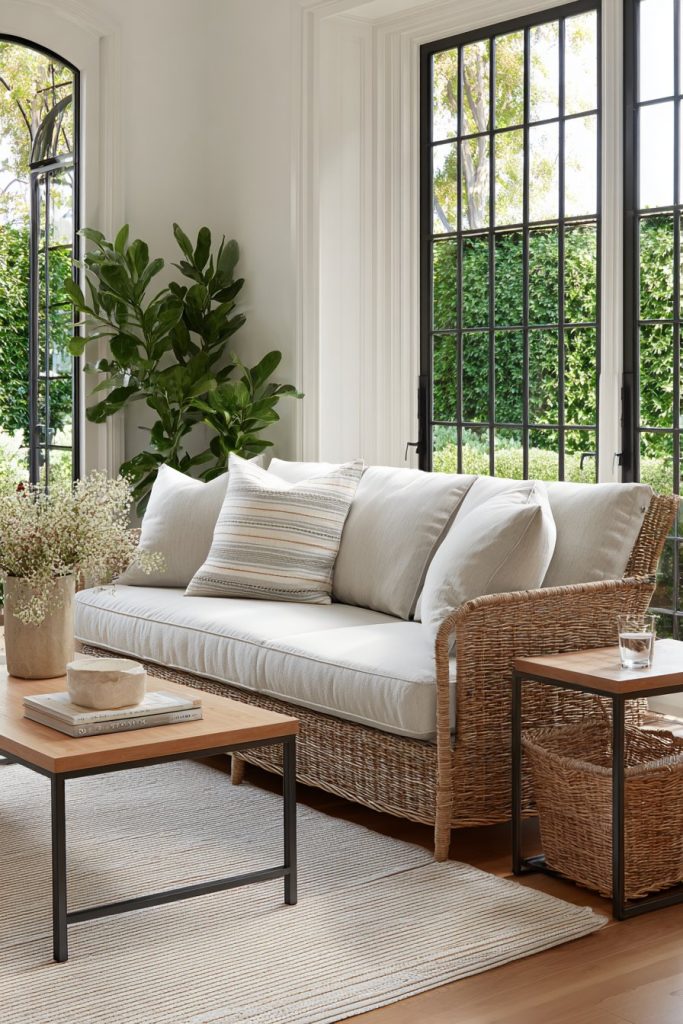
Consider how each material responds to seasonal changes before making purchases. Wood furniture should feature proper sealing to prevent cracking during dry winter months. Cushions need removable, washable covers that you can clean and store seasonally. The goal is creating a sunroom that looks fresh and inviting without requiring constant replacement or intensive maintenance.
- Invest in teak or eucalyptus wood furniture with natural oil treatments
- Select metal pieces with UV-resistant powder coating finishes
- Choose outdoor-grade upholstery fabrics rated for direct sunlight exposure
- Look for furniture with rustproof hardware and corrosion-resistant frames
- Consider modular pieces that you can reconfigure for different seasons
- Prioritize cushions with quick-dry foam cores and removable covers
2. Install Versatile Window Treatments
Window treatments make the single biggest impact on sunroom comfort across seasons. Summer demands protection from intense heat and glare, while winter requires insulation against cold drafts. The right combination of treatments gives you complete environmental control without sacrificing natural light or views. Layering different types of window coverings provides maximum flexibility.
Start with cellular shades as your foundation layer for superior insulation properties. These honeycomb-structured shades trap air effectively, keeping heat out during summer and warmth in during winter. Add sheer curtains or solar screens for diffusing harsh sunlight while maintaining outdoor visibility. This layered approach lets you adjust coverage based on daily conditions and seasonal needs.
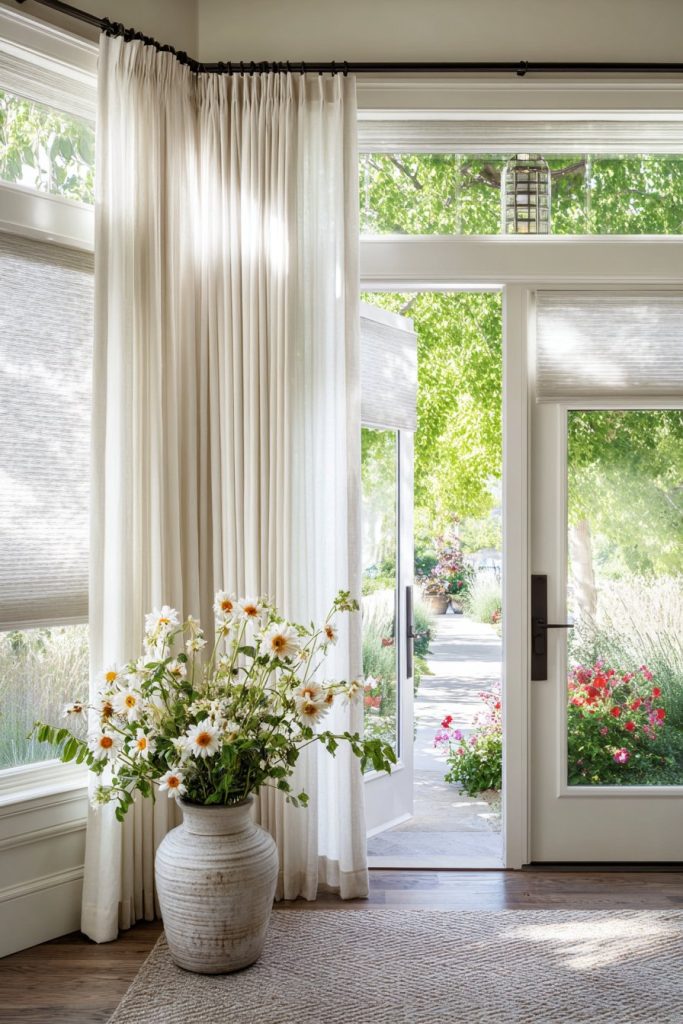
Remote-controlled or motorized window treatments offer convenience and precision for hard-to-reach sunroom windows. Program them to adjust automatically based on time of day or temperature. Choose neutral colors that complement any seasonal decor changes while providing consistent UV protection for furniture and flooring throughout the year.
- Install top-down, bottom-up cellular shades for customizable light control
- Add sheer linen curtains for soft light diffusion during peak sun hours
- Consider exterior solar screens for maximum heat reduction in summer
- Use thermal-backed curtains on the coldest-facing walls for winter insulation
- Choose light-filtering options that protect privacy without blocking views
- Select moisture-resistant materials that won’t mildew in humid conditions
3. Incorporate Climate Control Solutions
Effective temperature management transforms your sunroom from seasonal space to year-round haven. Standard HVAC systems often struggle with sunroom temperature extremes due to extensive glazing. Supplemental climate control solutions ensure comfort during the hottest summer afternoons and coldest winter mornings. Strategic planning prevents your sunroom from becoming unusable during extreme weather.
Ceiling fans with reversible motors provide energy-efficient cooling in summer and heat distribution in winter. Set fans to rotate counterclockwise during warm months to create cooling downdrafts. Reverse to clockwise rotation in winter to push warm air down from the ceiling. Position fans centrally for maximum air circulation throughout the entire space.
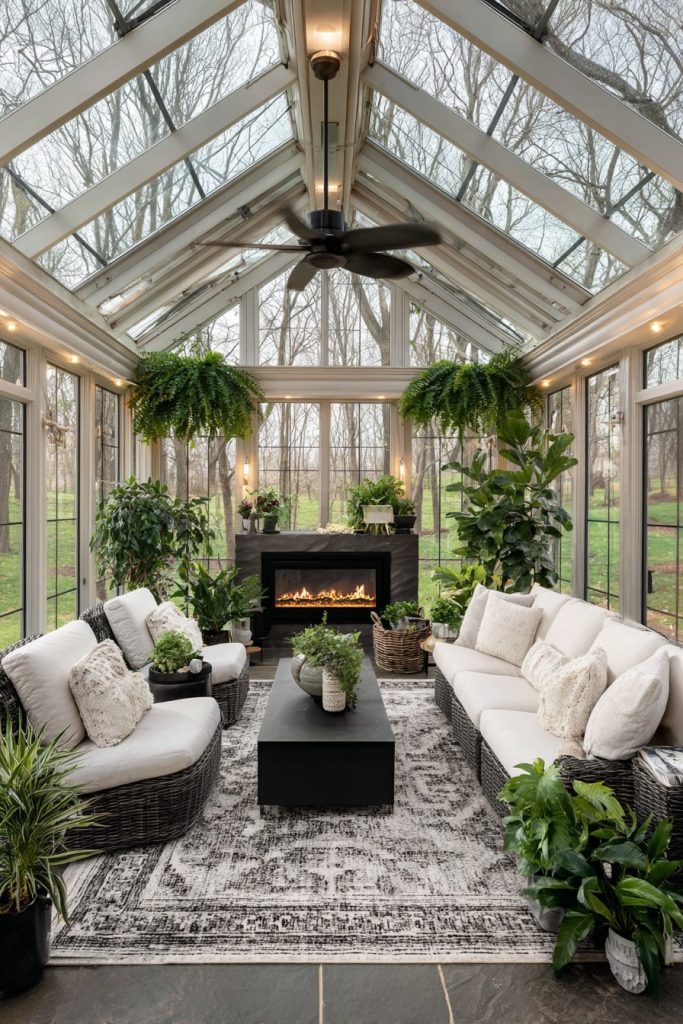
Consider portable heating and cooling options for flexible temperature control. Infrared heaters deliver focused warmth without drying the air excessively. For cooling, evaporative coolers work efficiently in dry climates while adding beneficial humidity. Mini-split HVAC systems offer precise temperature control if your budget allows, providing both heating and cooling in a single compact unit.
- Install a programmable ceiling fan with LED lighting for dual functionality
- Add a stylish electric fireplace for cozy winter ambiance and supplemental heat
- Use portable infrared heaters that warm objects rather than just air
- Consider a ductless mini-split system for year-round climate control
- Place indoor plants strategically to naturally cool and humidify the space
- Use smart thermostats to maintain optimal temperature ranges automatically
4. Select Flooring That Handles Temperature Variations
Sunroom flooring faces unique challenges from temperature extremes and increased UV exposure. Materials that expand, contract, or fade under these conditions create maintenance headaches and safety concerns. Choosing the right flooring ensures lasting beauty while providing appropriate insulation properties for each season. The ideal flooring option balances aesthetics with practical performance.
Tile and stone flooring naturally regulate temperature, staying cool in summer and pairing well with radiant heating systems in winter. Porcelain tile offers exceptional durability and comes in countless designs mimicking natural materials. For warmer underfoot comfort, consider luxury vinyl plank flooring that resists moisture, fading, and temperature fluctuations while providing realistic wood aesthetics.
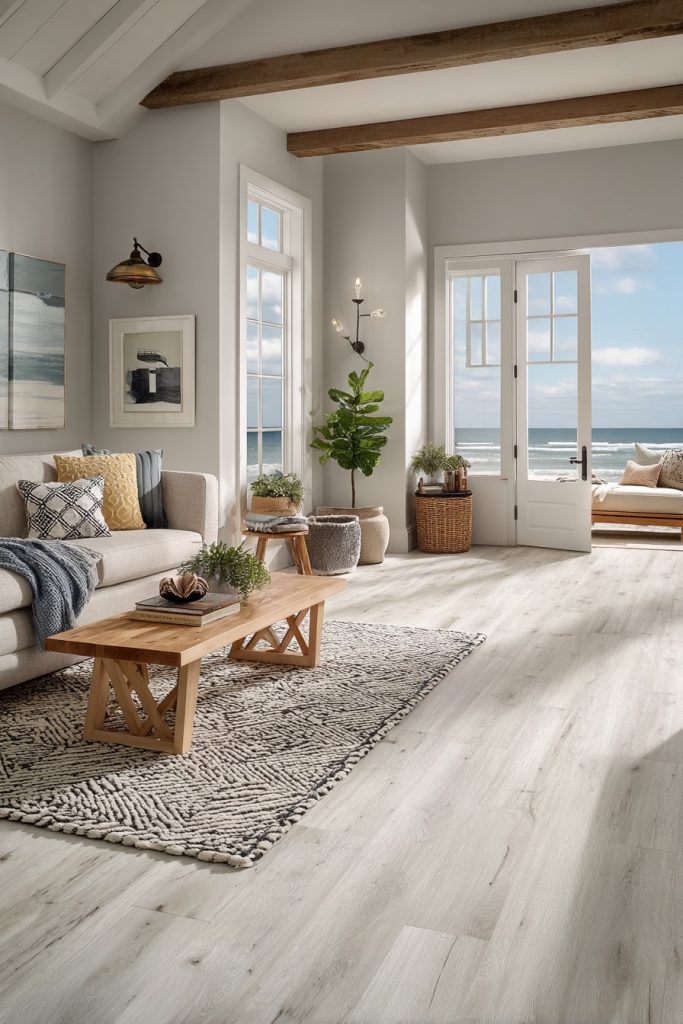
Avoid traditional hardwood in sunrooms unless you’re prepared for significant maintenance. Natural wood expands and contracts dramatically with humidity changes, leading to gaps and warping. If wood aesthetics are essential, choose engineered hardwood with enhanced stability or bamboo alternatives. Add area rugs seasonally for warmth, color, and textural interest that you can easily swap.
- Choose porcelain tile in neutral tones for timeless appeal and easy maintenance
- Consider cork flooring for natural insulation and comfortable cushioning
- Install luxury vinyl planks rated for commercial applications for maximum durability
- Use radiant floor heating beneath tile for efficient winter warmth
- Add washable indoor-outdoor rugs that resist fading and moisture damage
- Ensure proper subfloor insulation to prevent cold transfer from concrete slabs
5. Design With Flexible Color Schemes
A well-planned color palette allows easy seasonal transitions without complete redecorating. Base your sunroom design on neutral foundation colors that work year-round, then add seasonal accent pieces to refresh the look. This approach saves money while keeping your space feeling current and inviting through every season.
Start with timeless neutrals like white, beige, gray, or soft taupe for large furniture pieces and permanent fixtures. These colors maximize natural light reflection while providing a calm backdrop. They also pair effortlessly with any accent color you choose seasonally. Natural materials in wood tones and organic textures add warmth without overwhelming the space.
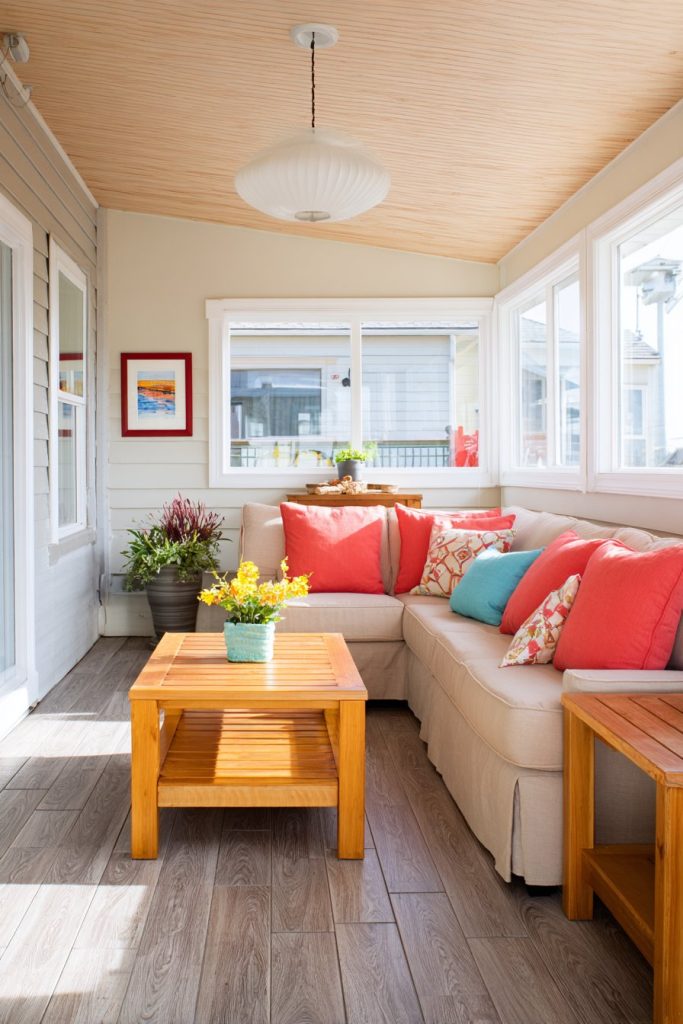
Introduce seasonal personality through easily changeable elements like throw pillows, blankets, and small decor items. Bright corals and aquas evoke summer freshness, while deep burgundies and forest greens create cozy fall and winter atmospheres. Rotate artwork and accessories to reflect changing seasons while maintaining your cohesive neutral foundation.
- Paint walls in warm white or soft gray for maximum versatility
- Choose a neutral sofa with removable slipcovers for deep cleaning
- Stock multiple sets of throw pillows in seasonal color palettes
- Use lightweight throws that you can easily swap between seasons
- Select artwork with neutral mats and frames for easy print rotation
- Keep decorative accessories minimal to avoid visual clutter while allowing quick updates

6. Maximize Natural Light Management
Controlling natural light throughout the day and across seasons determines your sunroom’s overall usability. Morning sun provides gentle illumination, while afternoon rays can create unbearable heat and glare. Strategic light management preserves views and brightness while eliminating uncomfortable extremes. The goal is harnessing sunlight’s benefits without suffering its drawbacks.
Window film applications offer invisible protection against UV rays and heat gain without darkening the space. These thin films block up to 99% of harmful UV radiation while reducing solar heat by 50-80%. They work year-round, protecting furnishings from fading while maintaining clear views. Choose neutral or low-reflectivity films that don’t create a mirror effect from outside.
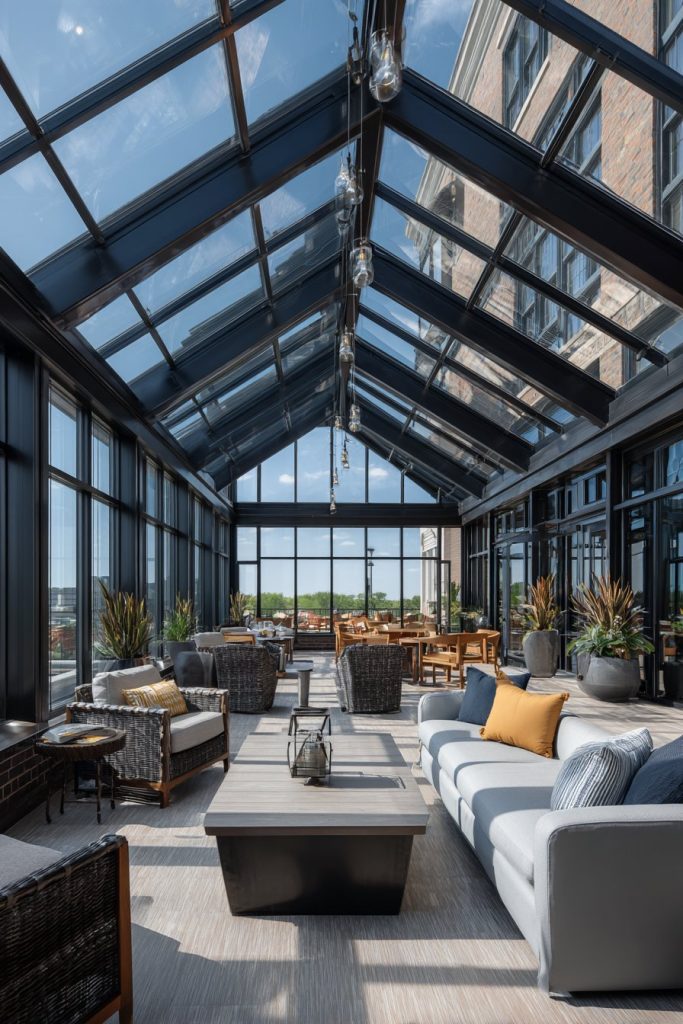
Position furniture to avoid direct sunlight during peak hours while maximizing natural illumination for reading and activities. Create distinct zones within your sunroom for different light conditions. Place heat-sensitive items and electronics in perpetually shaded areas. Use mirrors strategically to bounce light into darker corners without intensifying heat.
- Apply UV-blocking window film to south and west-facing glass panels
- Position seating to face views rather than directly toward the sun
- Use light-colored furniture that reflects rather than absorbs solar heat
- Install adjustable task lighting for evening use when natural light fades
- Place heat-loving plants in full sun zones and shade plants accordingly
- Consider exterior awnings or pergolas for architectural sun control
7. Add Plants That Thrive Year-Round
Living plants bring natural beauty and air-purifying benefits to sunrooms across all seasons. The abundant natural light makes sunrooms ideal for growing diverse plant varieties. However, temperature fluctuations require selecting species that tolerate varying conditions. Choose adaptable plants that flourish despite seasonal changes while enhancing your decor.
Tropical plants like pothos, philodendrons, and peace lilies handle temperature swings well while thriving in bright indirect light. Succulents and cacti love intense sunlight and tolerate neglect during busy periods. For seasonal interest, rotate flowering plants like orchids, African violets, or seasonal bulbs that bloom at different times throughout the year.
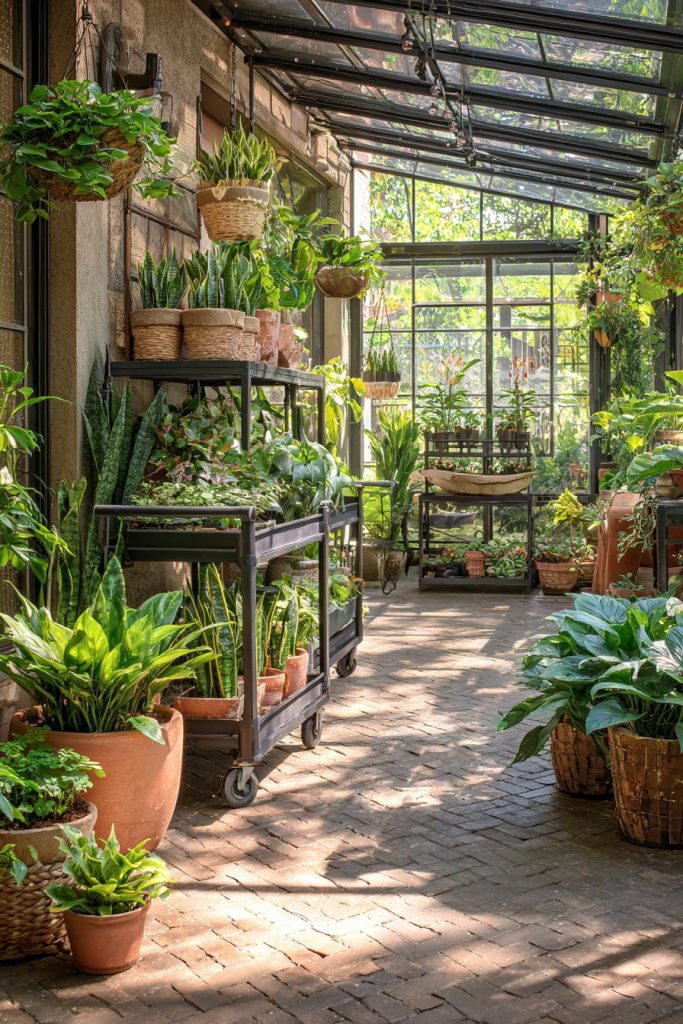
Group plants with similar care requirements together for easier maintenance. Use attractive containers that complement your color scheme while providing adequate drainage. Consider installing a small fountain or humidity tray to maintain optimal moisture levels during dry winter months when heating systems reduce indoor humidity.
- Select snake plants and ZZ plants for low-maintenance greenery
- Grow herbs like basil and rosemary in sunny spots for culinary use
- Use hanging planters to maximize space and create visual interest
- Rotate flowering plants seasonally for continuous color and fragrance
- Install grow lights to supplement natural light during short winter days
- Group plants on rolling carts for easy rearrangement and seasonal changes
Conclusion
Creating a sunroom that serves you beautifully throughout all seasons requires thoughtful planning and smart design choices. By focusing on durable materials, flexible climate control, and adaptable decor elements, you build a space that remains comfortable and inviting year-round. These seven tips provide the foundation for a sunroom that enhances your home’s value while expanding your usable living space.
Start implementing these strategies one step at a time rather than attempting a complete overhaul. Begin with window treatments and climate control to establish basic comfort, then add furniture and finishing touches. Your sunroom should evolve to reflect your personal style while meeting practical needs across changing seasons. Embrace the unique qualities of this transitional space and enjoy the connection it creates between your indoor comfort and the natural beauty outside.


