
Sunrooms represent a unique intersection of indoor comfort and outdoor beauty. These light-filled spaces demand flooring that withstands intense UV exposure, temperature fluctuations, and potential moisture while maintaining aesthetic appeal. Choosing the right flooring transforms your sunroom from a simple addition into a cherished retreat.
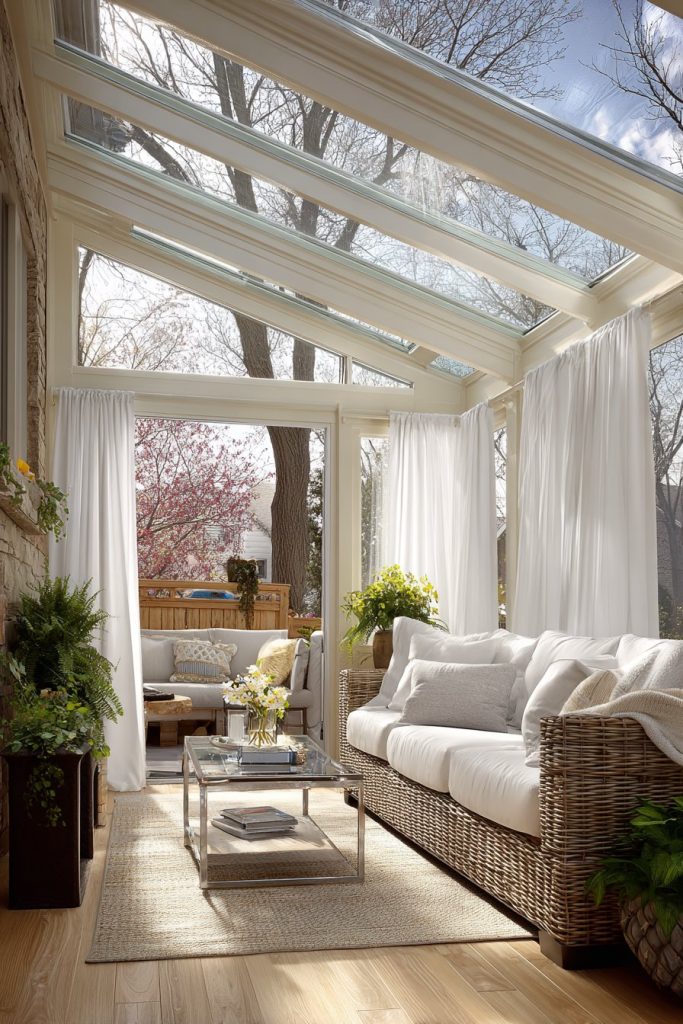
The perfect sunroom floor balances durability with design. Unlike standard interior spaces, sunrooms face environmental challenges that test traditional flooring materials. Sunlight streams through glass walls for hours daily. Temperature swings can be dramatic. Humidity levels may fluctuate with seasonal changes. Your flooring choice must address these unique conditions without sacrificing style.
This comprehensive guide explores six exceptional flooring options for sunrooms. Each material offers distinct advantages in performance and aesthetics. Whether you prioritize low maintenance, temperature control, or visual impact, you’ll discover solutions that elevate your sunroom experience. Let’s explore the best flooring choices that combine practicality with timeless beauty.

1. Luxury Vinyl Plank – Durability Meets Style
Luxury vinyl plank has revolutionized sunroom flooring with its exceptional fade resistance. Modern LVP features advanced UV protective layers that prevent color degradation even under constant sunlight. The material mimics natural wood with stunning realism while offering waterproof performance that traditional hardwood cannot match.
Installation proves remarkably straightforward with click-lock systems. Most homeowners can complete a sunroom project in a single weekend. The planks float over existing subfloors without extensive preparation. This floating installation also allows for natural expansion and contraction during temperature changes. Your floor remains stable and beautiful through every season.
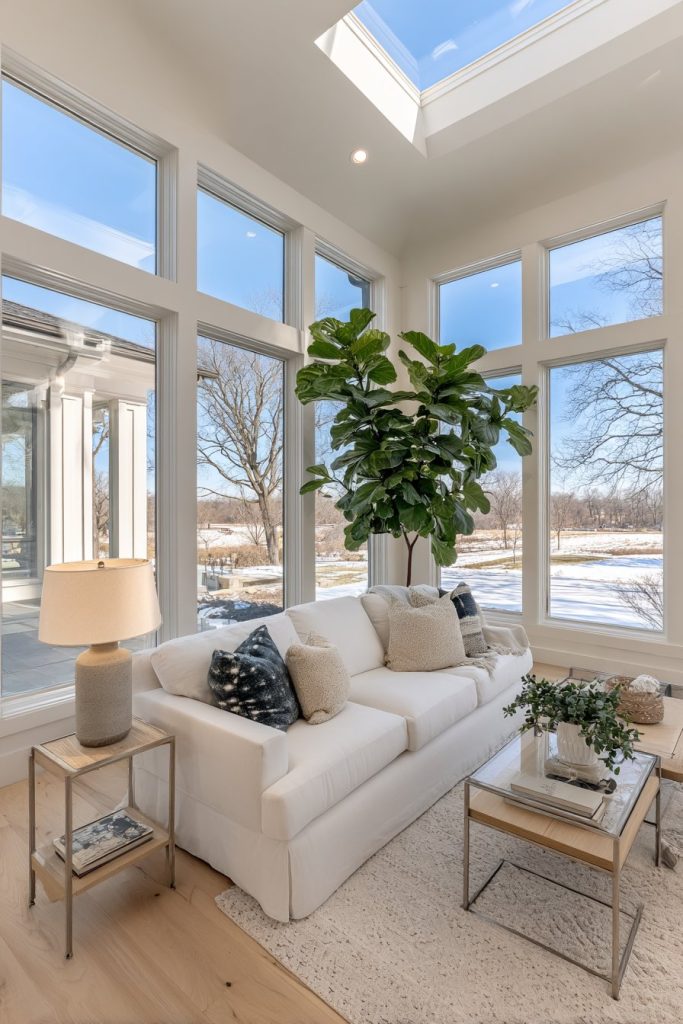
Maintenance requires minimal effort beyond regular sweeping and occasional damp mopping. LVP resists scratches from outdoor furniture and pet claws. The protective wear layer shields against scuffs and stains. Cost-effectiveness adds another advantage, with quality options available at mid-range prices that deliver premium appearance without premium expense.
- Choose LVP with commercial-grade wear layers for maximum longevity
- Select textured finishes that provide slip resistance when wet
- Consider wider planks to create a more spacious visual effect
- Install moisture barriers if your sunroom sits directly on concrete
- Look for products with lifetime residential warranties for peace of mind
- Match wood tones to adjacent interior spaces for seamless flow
2. Porcelain Tile – The Temperature Champion
Porcelain tile excels in managing the thermal challenges unique to sunrooms. The dense material absorbs heat slowly and releases it gradually. This thermal mass effect moderates temperature swings that would make other floors uncomfortably hot or cold. Your barefoot comfort improves significantly with porcelain underfoot.
The design possibilities with porcelain are virtually limitless. Modern manufacturing creates tiles that replicate natural stone, concrete, or wood with astonishing accuracy. Large-format tiles minimize grout lines for a sleek contemporary look. Smaller mosaics add artistic flair. Pattern mixing creates custom designs that reflect your personal style perfectly.
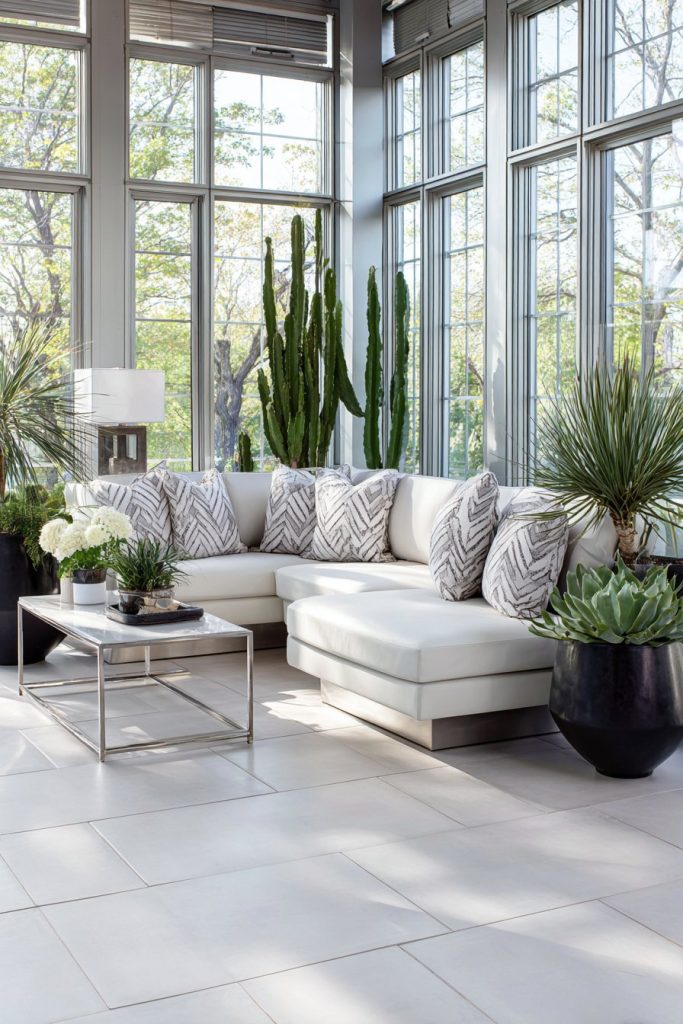
Durability ranks among porcelain’s greatest strengths. The material withstands heavy foot traffic and furniture without showing wear. UV rays cannot fade properly fired porcelain. Water resistance is absolute, making cleanup effortless. Though initial installation costs run higher than some alternatives, the longevity justifies the investment.
- Select rectified tiles with minimal grout joints for easier maintenance
- Choose matte or textured finishes to prevent slipping when condensation occurs
- Consider radiant heating beneath tiles for year-round comfort
- Use contrasting grout colors to emphasize geometric patterns
- Opt for through-body porcelain where color penetrates the entire tile
- Plan for proper subfloor preparation to prevent cracking
3. Cork Flooring – Natural Warmth and Comfort
Cork delivers unmatched cushioned comfort that makes extended sunroom sessions more enjoyable. The cellular structure compresses slightly underfoot, reducing fatigue during standing activities. This natural resilience also provides excellent sound absorption, creating a peaceful sanctuary away from household noise.
Sustainability credentials make cork an environmentally conscious choice. Harvested from renewable bark without harming trees, cork represents responsible forestry at its finest. The material contains natural antimicrobial properties that resist mold and mildew. Indoor air quality improves as cork doesn’t off-gas harmful chemicals like some synthetic flooring options.
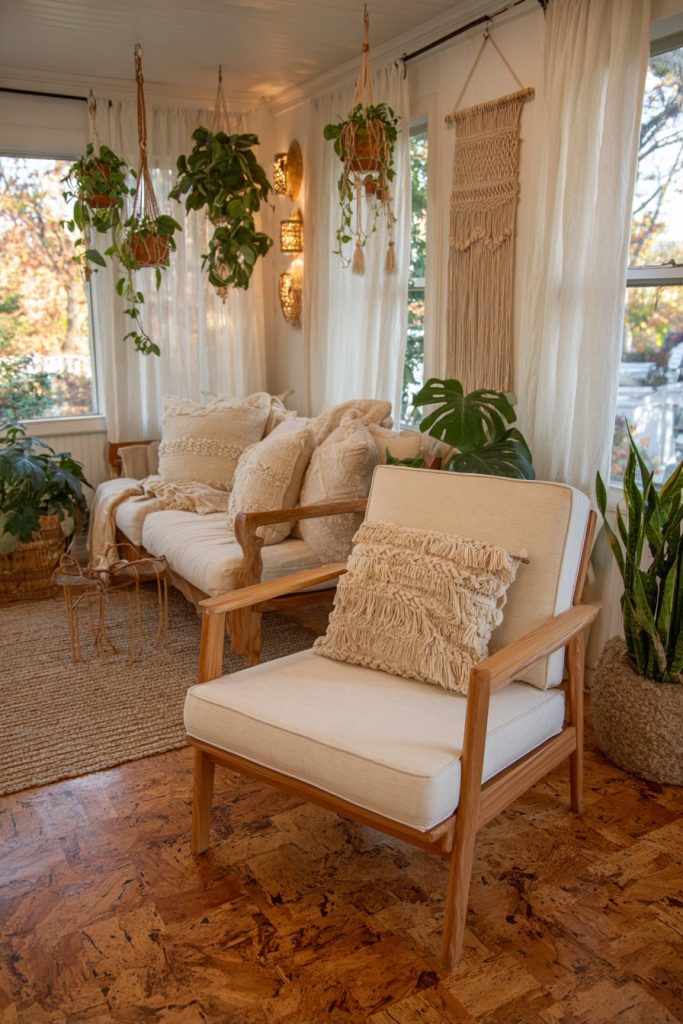
Temperature insulation is another cork advantage. The material feels naturally warm regardless of actual floor temperature. This inherent warmth eliminates the shock of cold floors on winter mornings. Modern cork finishes now include UV-resistant coatings that prevent fading and enhance water resistance for sunroom applications.
- Apply additional UV-protective sealant every few years for optimal protection
- Choose cork tiles for easier replacement if individual sections show wear
- Avoid cork in sunrooms with southern exposure unless shaded
- Clean with pH-neutral products to preserve protective finishes
- Allow cork to acclimate in the sunroom for 48 hours before installation
- Consider darker cork shades that show less fading over time
4. Engineered Hardwood – Classic Beauty with Protection
Engineered hardwood brings authentic wood character to sunrooms without solid wood’s vulnerability. The layered construction resists expansion and contraction better than traditional hardwood. A real wood veneer provides genuine beauty while the stable plywood core handles humidity fluctuations that would warp solid boards.
Aesthetic versatility allows engineered wood to complement any design direction. Wide planks create contemporary drama. Narrow strips evoke traditional charm. Distressed finishes add rustic warmth. Multiple stain options ensure perfect coordination with existing décor. The natural variation in wood grain provides visual interest that synthetic materials cannot replicate.
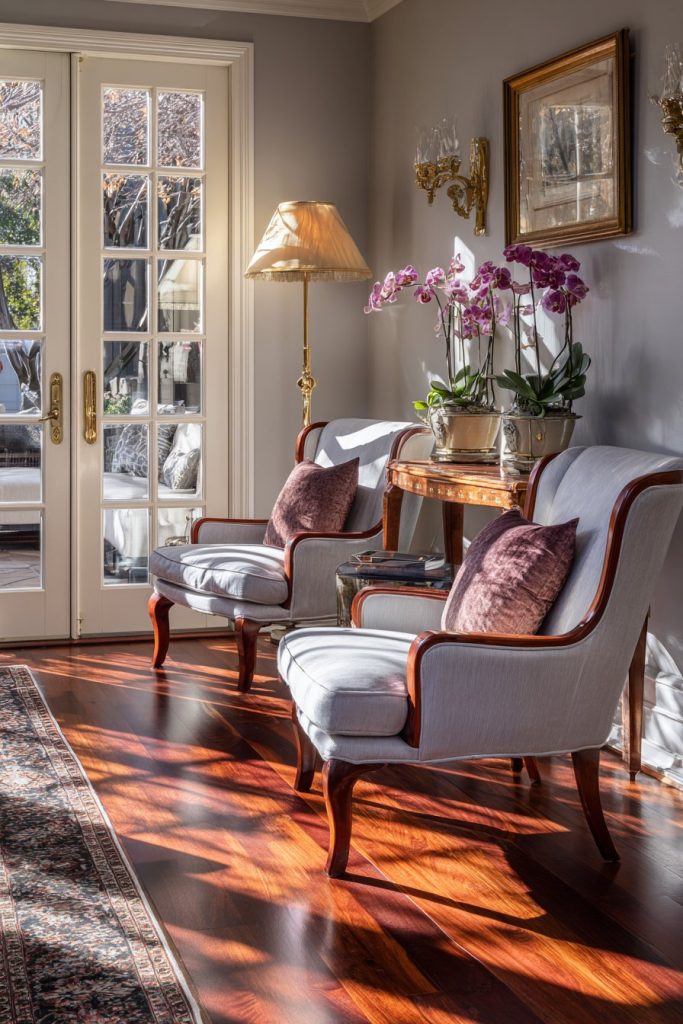
Protection starts with selecting appropriate finishes. Look for engineered wood with aluminum oxide coatings that deflect UV damage. Some manufacturers offer specific sunroom-rated products with enhanced protective layers. Proper acclimation before installation prevents future problems. Maintain with recommended cleaners that preserve both beauty and protection.
- Choose engineered wood with thicker veneer layers for potential refinishing
- Install perpendicular to primary sunlight direction to minimize visible fading
- Use UV-blocking window films to extend floor life significantly
- Select lighter wood tones that show less fading than dark stains
- Maintain humidity levels between 35-55% with climate control if possible
- Inspect and replace damaged boards promptly to prevent moisture infiltration
5. Natural Stone – Timeless Elegance
Natural stone creates an impressive focal point that elevates sunroom sophistication. Materials like slate, limestone, and travertine connect indoor spaces with outdoor landscapes seamlessly. Each stone piece displays unique characteristics that make your floor genuinely one-of-a-kind. The substantial presence of stone conveys permanence and quality.
Practical performance matches aesthetic appeal. Stone handles temperature extremes without degradation. The material won’t fade under relentless sunlight. Properly sealed stone resists moisture and stains effectively. Radiant heating systems work beautifully with stone’s thermal properties, providing comfortable warmth during colder months.
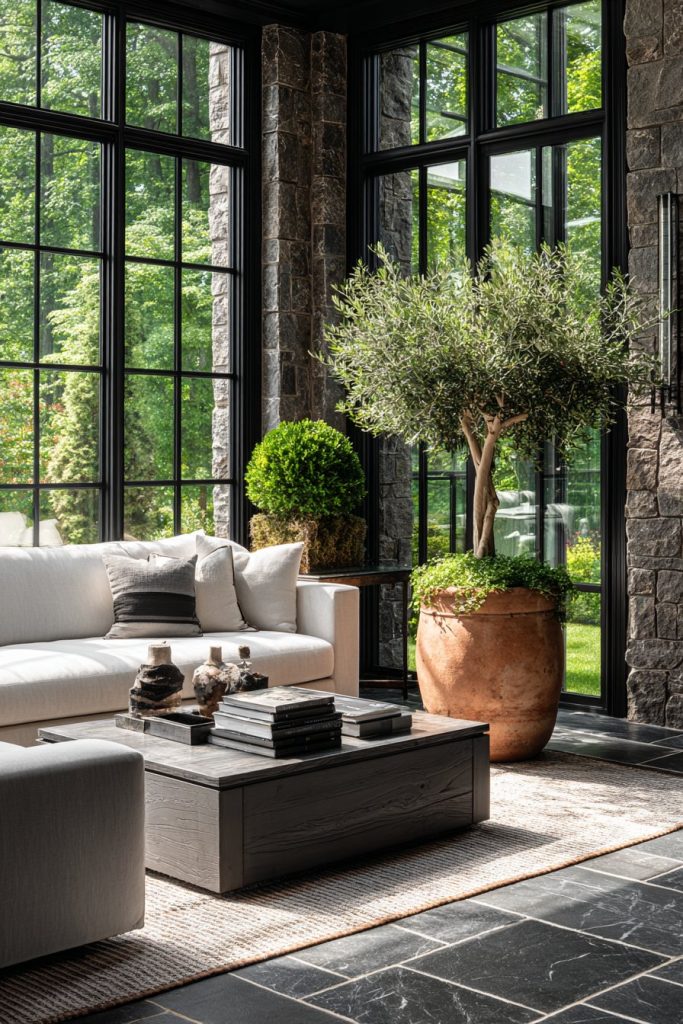
The initial investment in stone flooring is substantial. Professional installation is typically necessary for proper results. However, lifetime durability means this floor may be the last you’ll ever install. Stone ages gracefully, developing a patina that adds character rather than diminishing value over decades of use.
- Seal natural stone every 1-2 years to maintain stain resistance
- Choose honed or textured finishes for better slip resistance than polished
- Consider the weight of stone if your sunroom is above ground level
- Match stone type to your climate for optimal performance
- Use stone-specific cleaners to avoid damaging sealants
- Plan for thermal expansion joints in large stone installations

6. Laminate Flooring – Budget-Friendly Excellence
Laminate offers impressive sunroom performance at accessible price points. Modern laminate features protective layers that resist fading from UV exposure. The photographic layer beneath captures wood, stone, or tile appearances with convincing detail. AC4 or AC5 ratings ensure the durability necessary for sunroom conditions.
Installation costs remain low thanks to simple DIY-friendly systems. Most laminate products feature glueless locking mechanisms that anyone with basic tools can master. The thin profile works well over existing floors in many situations. Underlayment provides additional moisture protection and sound dampening benefits.
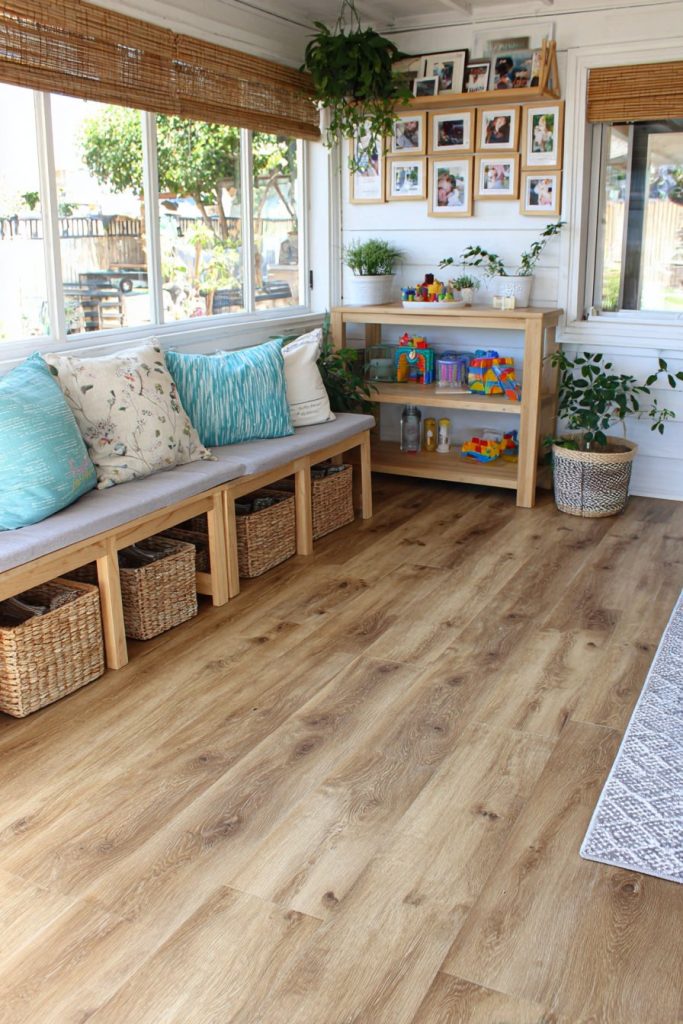
Maintenance convenience makes laminate ideal for busy households. The surface resists stains and scratches admirably. Regular sweeping and occasional damp mopping keep floors looking fresh. Replace individual planks if damage occurs without disturbing the entire floor. This repairability extends the useful life significantly.
- Select waterproof laminate formulations for sunrooms with exterior door access
- Avoid laminate in sunrooms with concrete slabs prone to moisture issues
- Choose embossed-in-register products where texture matches the visual pattern
- Install quality underlayment with moisture barriers for best performance
- Keep expansion gaps around perimeter per manufacturer specifications
- Consider attached pad options for easier installation
Conclusion
Selecting the best sunroom flooring depends on your specific needs, budget, and design preferences. Each option explored offers distinct advantages in durability and aesthetics. Luxury vinyl and laminate provide excellent value. Porcelain and stone deliver maximum longevity. Cork and engineered hardwood balance natural beauty with practical performance.
Consider your sunroom’s environmental conditions carefully before making final decisions. Evaluate factors like sun exposure, humidity levels, and temperature ranges. Don’t hesitate to consult flooring professionals who understand sunroom-specific challenges. The right floor transforms your sunroom into a versatile space that serves your household beautifully for years to come.


