
The modern home is increasingly becoming a reflection of our environmental consciousness. As awareness grows about sustainable living, more homeowners seek ways to create beautiful spaces without contributing to landfills. Zero-waste interior design isn’t about deprivation—it’s about intentional choices that honor both aesthetics and the planet.
Traditional interior design often encourages constant purchasing and trend-chasing. This cycle creates unnecessary waste and environmental burden. Zero-waste design challenges this paradigm by emphasizing quality over quantity and creative reuse. It proves that stunning, personalized spaces can emerge from mindful decisions rather than excessive consumption.
This article explores six transformative approaches to decorating without waste. Each method offers practical strategies for creating homes that are both beautiful and environmentally responsible. Whether you’re redesigning a single room or transforming your entire home, these principles will guide you toward sustainable style that doesn’t compromise on sophistication.

1. Embrace What You Already Own
The foundation of zero-waste design begins with inventory assessment. Most homes contain hidden treasures waiting for rediscovery. That forgotten chair in your basement might need only fresh upholstery to become your living room’s focal point. By reimagining existing items, you eliminate waste while saving money.
Look at your current furniture with fresh eyes. Consider how pieces might serve different purposes in new locations. A dining table can become a workspace. Bedroom dressers transition beautifully into entryway storage. This approach requires creative thinking rather than credit cards, making it accessible to any budget.
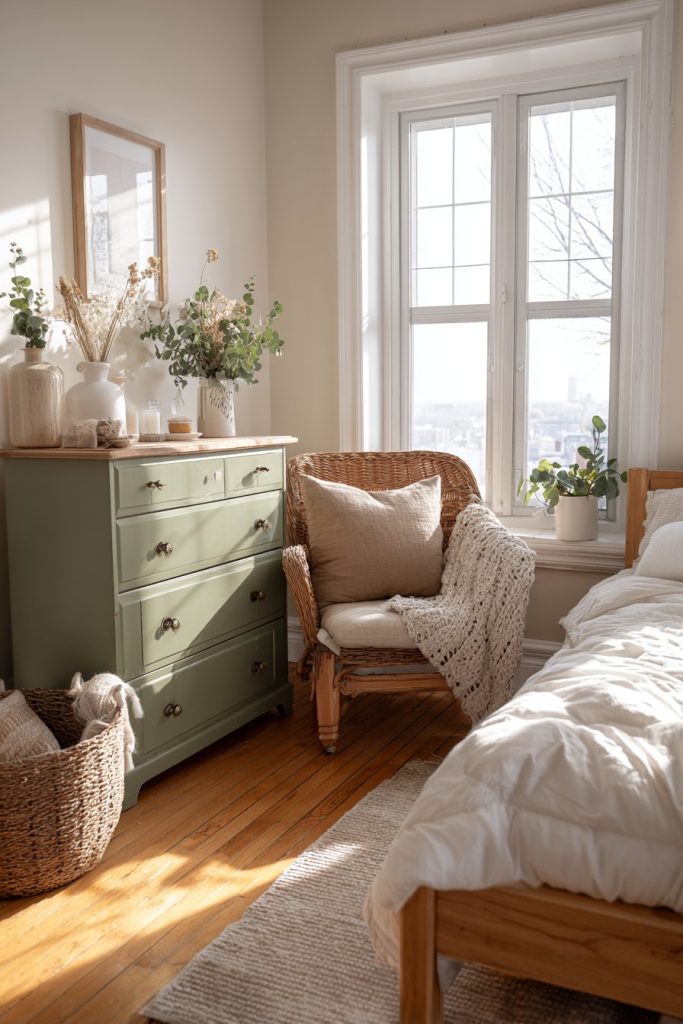
The key is viewing possessions as flexible rather than fixed. Paint can transform outdated wood finishes. New hardware updates cabinetry dramatically. Simple modifications breathe new life into pieces you already love, creating personalized spaces without generating waste.
- Photograph each room to identify underutilized items
- Research DIY refinishing techniques for existing furniture
- Swap furniture between rooms for fresh perspectives
- Remove items to storage temporarily to evaluate necessity
- Consider professional reupholstery for quality pieces
- Document before-and-after transformations for inspiration
2. Shop Secondhand and Vintage First
Thrift stores, estate sales, and online marketplaces overflow with quality furniture seeking new homes. Secondhand shopping diverts items from landfills while offering unique pieces impossible to find in conventional stores. This approach supports circular economy principles that keep resources in use longer.
Vintage furniture often surpasses modern pieces in craftsmanship and durability. Solid wood construction from decades past outlasts today’s particle board alternatives. By choosing pre-loved items, you invest in longevity while reducing demand for new manufacturing. Each purchase becomes an environmental statement.
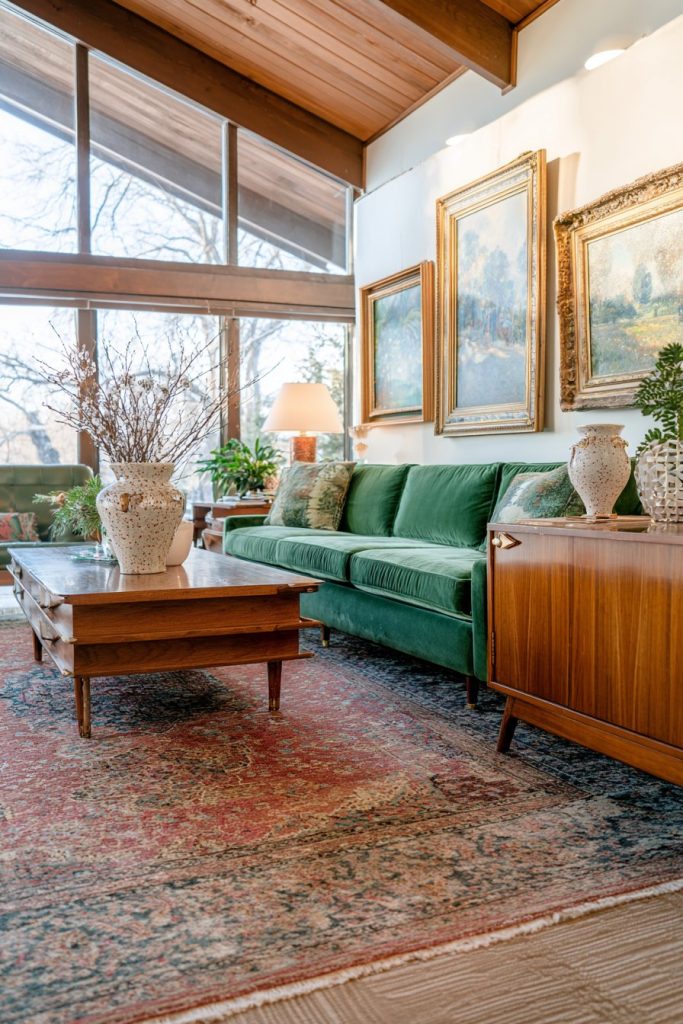
Develop an eye for potential beyond surface appearances. Scratched wood refinishes beautifully. Dated upholstery can be replaced or recovered. Focus on structural integrity rather than current aesthetics. With minor restoration, secondhand finds become showpieces that tell stories while treading lightly on Earth.
- Visit multiple thrift stores regularly for best selection
- Negotiate prices at estate sales and flea markets
- Join online community groups for free or cheap furniture
- Inspect items carefully for structural soundness before buying
- Learn basic furniture repair techniques through online tutorials
- Build relationships with dealers who can source specific items
3. Choose Multi-Functional and Modular Pieces
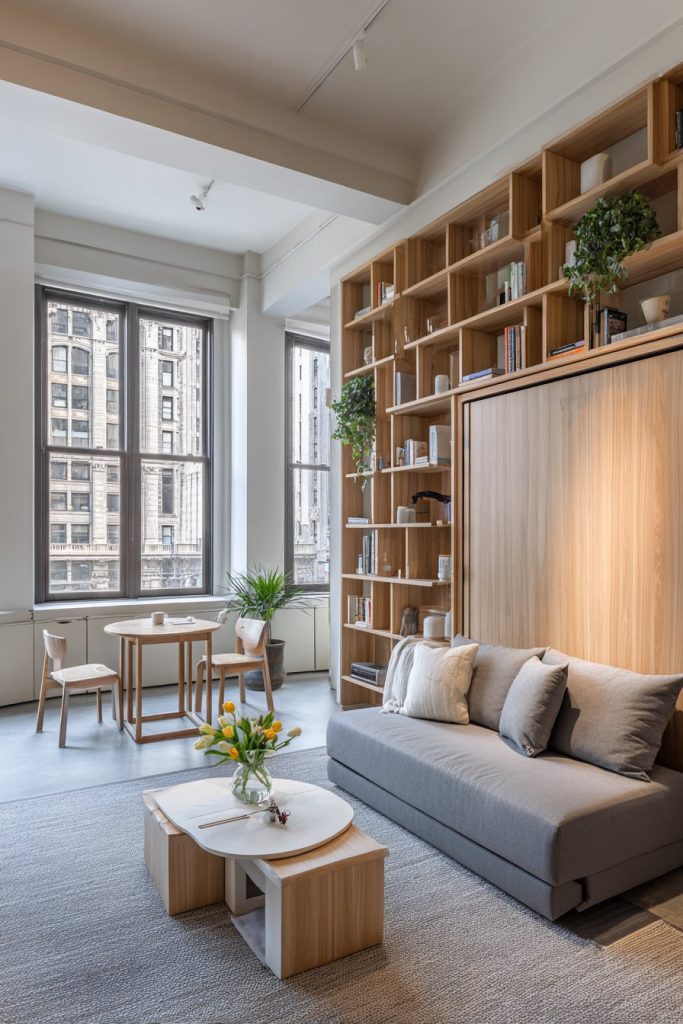
Smart furniture selection minimizes both consumption and clutter. Multi-functional designs serve multiple purposes, reducing the total number of pieces needed. A sofa bed eliminates the need for separate seating and guest accommodation. Storage ottomans provide seating, surface space, and hidden organization simultaneously.
Modular furniture adapts to changing needs over time. Sectional sofas reconfigure for different room layouts. Shelving systems expand or contract based on storage requirements. This flexibility prevents obsolescence, ensuring pieces remain useful through life transitions rather than becoming waste.
Investing in versatile furniture creates long-term value that justifies higher initial costs. One quality piece serving three functions costs less than purchasing three separate items. This approach requires thoughtful planning upfront but delivers years of waste-free functionality and aesthetic satisfaction.
- Prioritize furniture with built-in storage capabilities
- Select pieces that disassemble easily for moving or reconfiguration
- Choose neutral designs that adapt to evolving style preferences
- Invest in adjustable shelving rather than fixed units
- Consider convertible furniture for small spaces
- Research modular systems that grow with your needs
4. Incorporate Natural and Reclaimed Materials
Natural materials offer inherent sustainability while bringing organic warmth to interiors. Wood, stone, cork, and bamboo decompose naturally at end of life, unlike synthetic alternatives. These materials age gracefully, developing character over time rather than appearing worn or outdated.
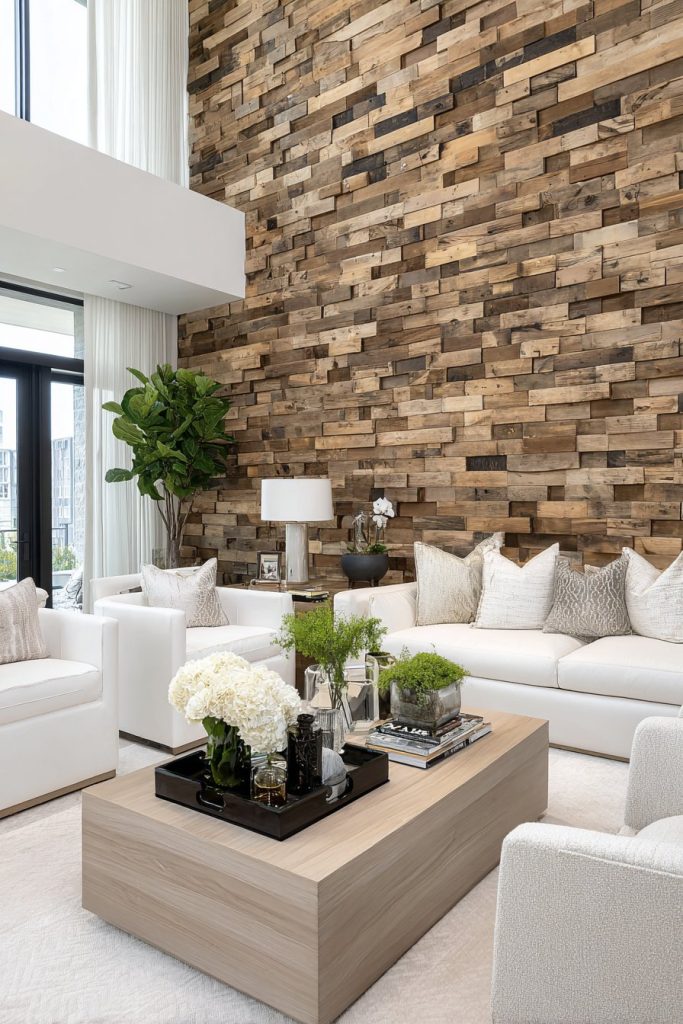
Reclaimed materials carry both environmental and aesthetic benefits. Salvaged wood from old barns or factories adds historical texture impossible to replicate. Architectural salvage yards stock unique elements like vintage doors, hardware, and lighting fixtures. Each reclaimed piece prevents landfill waste while adding distinctive personality to your space.
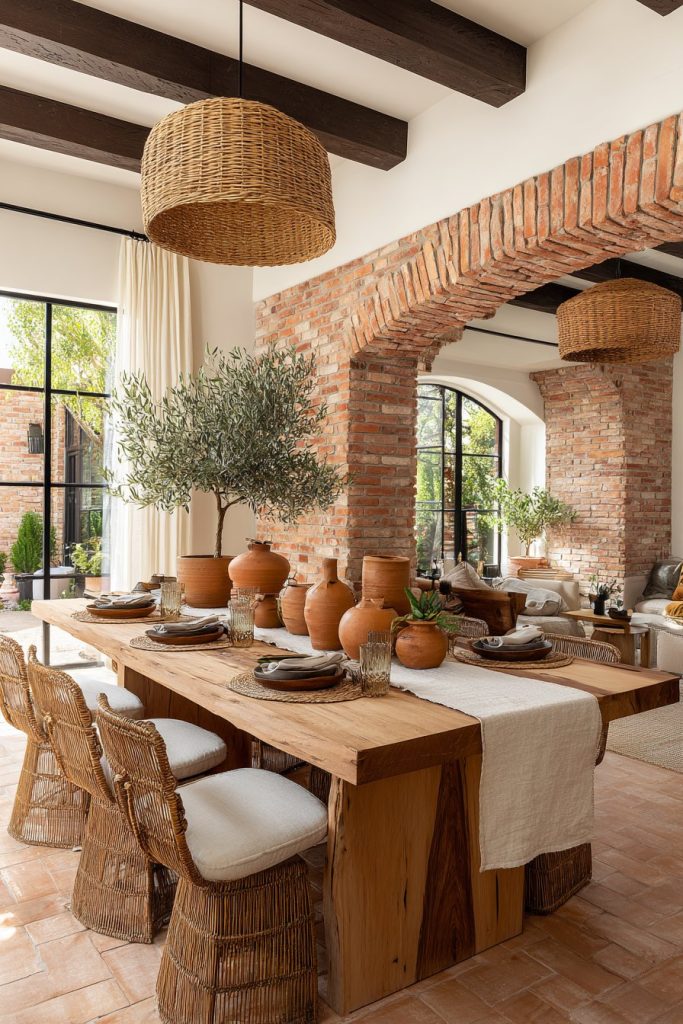
Prioritize locally sourced materials when possible. Regional stone, wood, and textiles reduce transportation emissions while supporting community economies. Natural materials also improve indoor air quality by avoiding off-gassing chemicals. This creates healthier homes that honor both personal wellbeing and planetary health.
- Source reclaimed wood from architectural salvage companies
- Visit demolition sites for free or inexpensive materials
- Choose FSC-certified wood when buying new
- Explore natural fiber textiles like organic cotton and linen
- Investigate cork and bamboo as sustainable flooring alternatives
- Support local artisans working with natural materials
5. Master the Art of Textile Reuse
Textiles represent significant waste in home decor. Fast fashion mentality extends to curtains, pillows, and throws that change with trends. Textile reuse breaks this cycle by transforming existing fabrics into new applications. Old curtains become pillow covers. Worn tablecloths transform into decorative wall hangings.
Learning basic sewing skills unlocks endless possibilities. Even simple straight stitches enable curtain hemming, pillow creation, and furniture slipcovers. These skills allow you to adapt textiles to changing color schemes without purchasing new items. DIY textile projects cost pennies compared to retail alternatives.
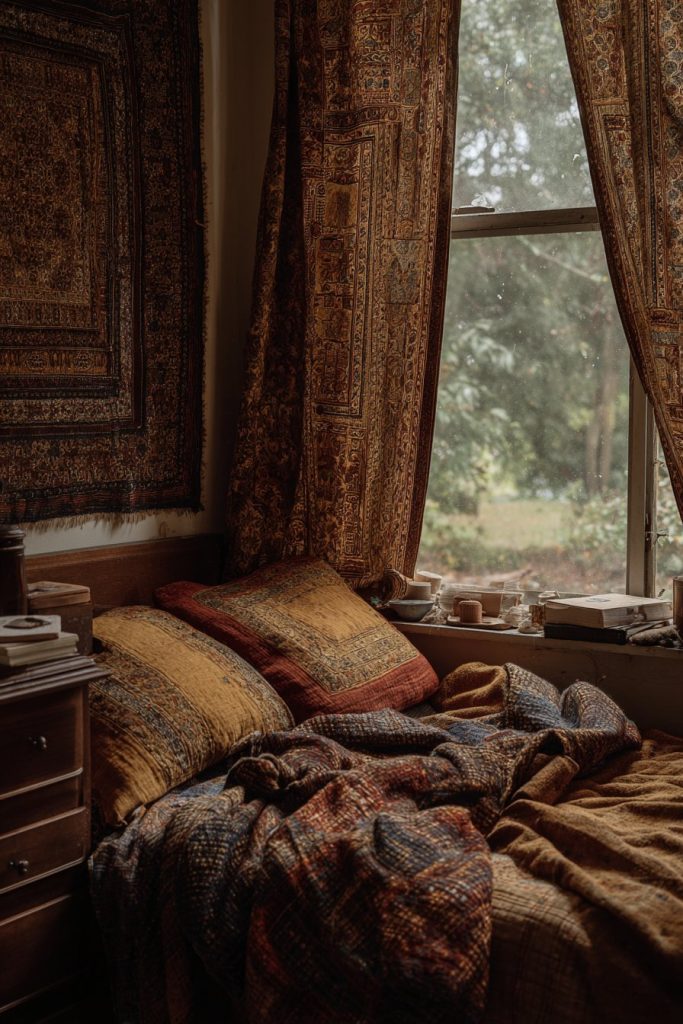
Quality natural fabrics improve with age and washing. Linen softens beautifully. Cotton develops comfortable texture. Choose timeless patterns over trendy prints to ensure longevity. When textiles finally wear beyond repair, natural fibers compost while synthetics can sometimes be recycled through specialized programs.
- Keep a textile scrap bin for future projects
- Learn to dye fabrics for color refreshes
- Create patchwork designs from multiple fabric remnants
- Repair small tears or stains rather than replacing items
- Swap textiles with friends for variety without purchasing
- Research textile recycling programs in your area

6. Decorate with Living and Borrowed Elements
The most sustainable decor produces no waste at end of use. Living plants purify air, add color, and require no disposal. Houseplants range from low-maintenance succulents to dramatic statement specimens. They evolve with seasons, providing dynamic interest that static decor cannot match.
Borrowed or rotating decor prevents accumulation while maintaining freshness. Library art programs lend original artwork for temporary display. Swap decorative items with friends or family members. Display seasonal branches, flowers, or natural elements that return to earth after use. This approach keeps spaces visually dynamic without permanent purchases.
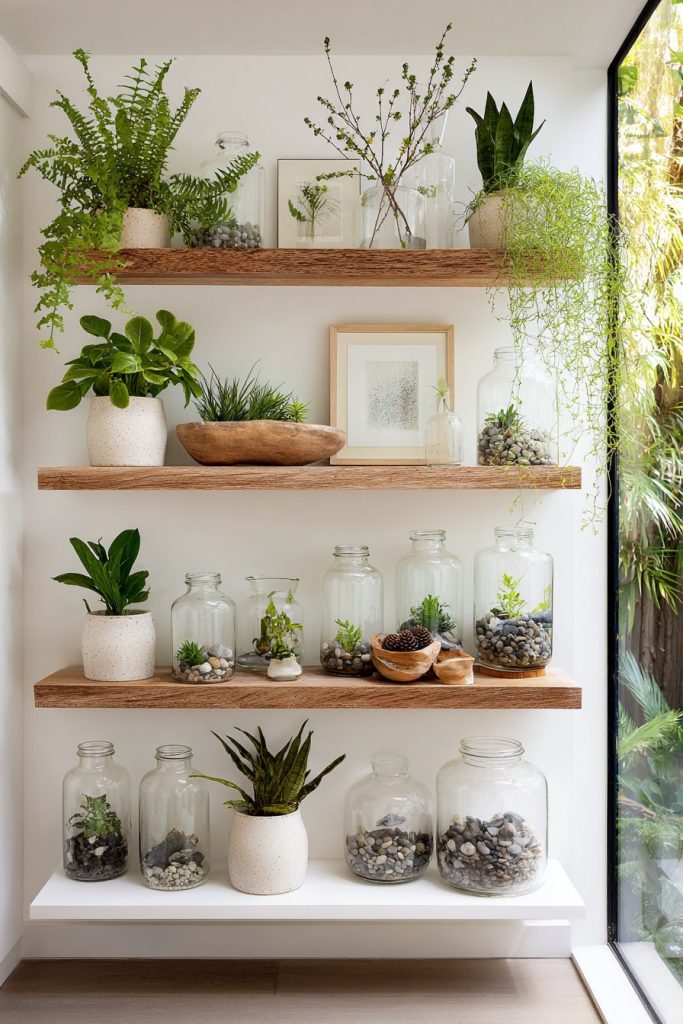
Natural elements connect interiors to the wider world. Driftwood, stones, and pinecones cost nothing while providing organic texture. These items can be released back to nature when you desire change. The impermanence becomes part of their beauty, teaching mindfulness about consumption and seasonal rhythms.
- Start with easy-care plants like pothos or snake plants
- Join plant swap groups in your community
- Display seasonal branches in simple vases
- Create temporary gallery walls with borrowed art
- Collect natural objects during walks for free decor
- Rotate items into and out of storage for variety
Conclusion
Zero-waste interior design represents a paradigm shift in how we create and maintain our living spaces. It challenges the notion that beautiful homes require constant purchasing. Instead, it reveals how creativity, resourcefulness, and intention produce spaces with deeper meaning and lasting beauty.
The strategies outlined here work individually or in combination. Start small with one room or one principle. As you experience the satisfaction of waste-free decorating, the approach becomes natural rather than restrictive. Your home becomes a reflection of values that honor both personal style and environmental responsibility. The result is spaces that nurture both inhabitants and planet—true luxury for our times.


